
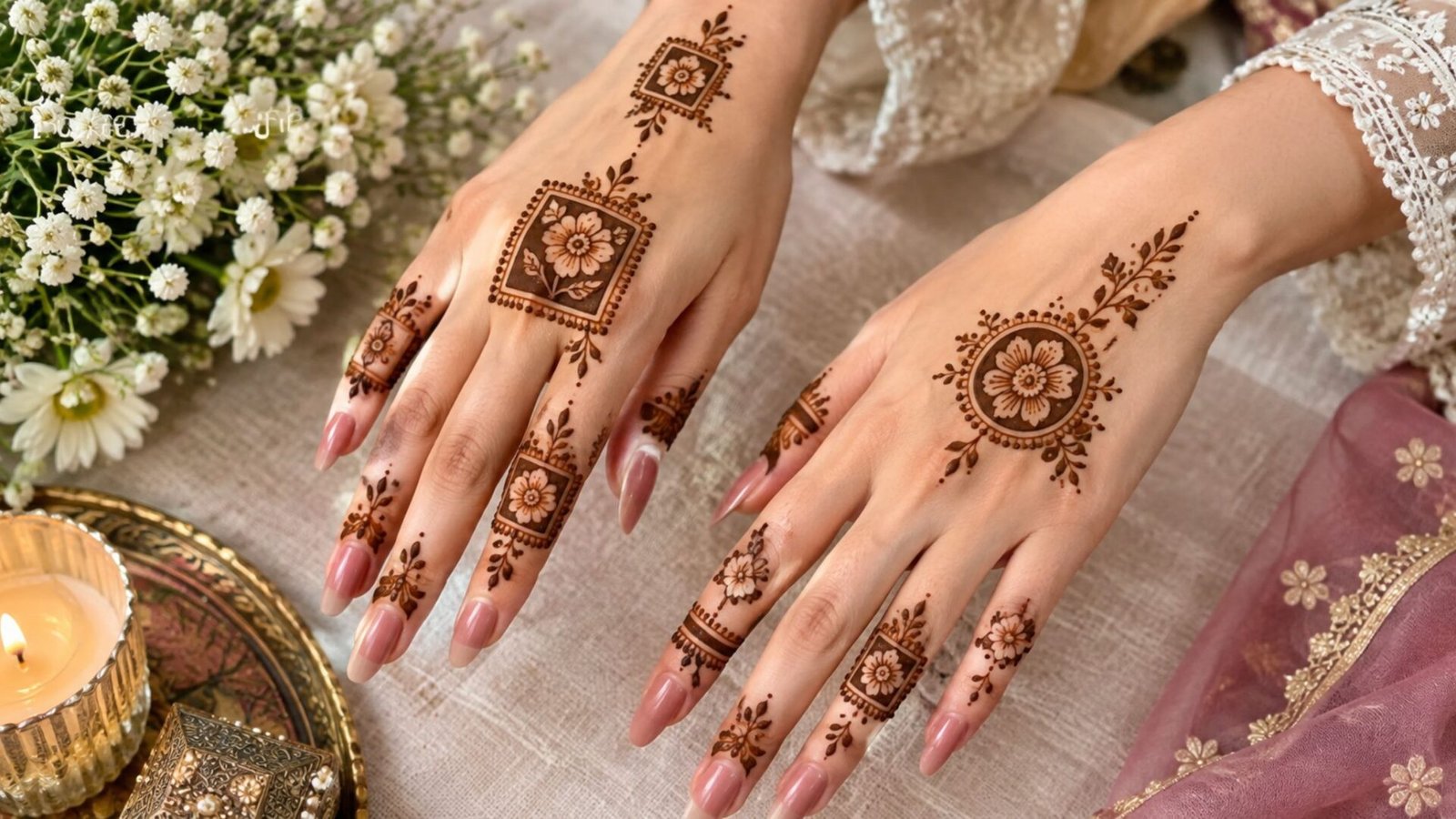
Mehndi has always been about beauty, but not everyone wants their whole hand covered in ink. That’s exactly why the patch mehndi design trend has become so popular. Instead of one long, connected pattern, a patch mehndi design uses small, separate sections of henna placed strategically on the hand.
Think of it like jewelry made of henna: a ring here, a bracelet-style patch there, and maybe a bold patch on the back of the palm.
People love this style because it’s quick, flexible, and looks just as festive as a full-hand design. Whether you have ten minutes before a party or want something elegant for a wedding, there’s a patch style that fits.
What Is a Patch Mehndi Design, Exactly?
A patch mehndi design is basically henna art broken into individual “blocks” or patches, rather than one continuous flow. Each patch can have its own theme florals, mandalas, or geometric shapes and they’re placed with visible skin gaps in between. This gives the hand a modern, artistic look while keeping the application time short.
Because these designs don’t need to cover the entire hand, they’re perfect for people who are new to mehndi, short on time, or simply prefer a lighter, more minimal aesthetic.
Floral Patch Mehndi Design
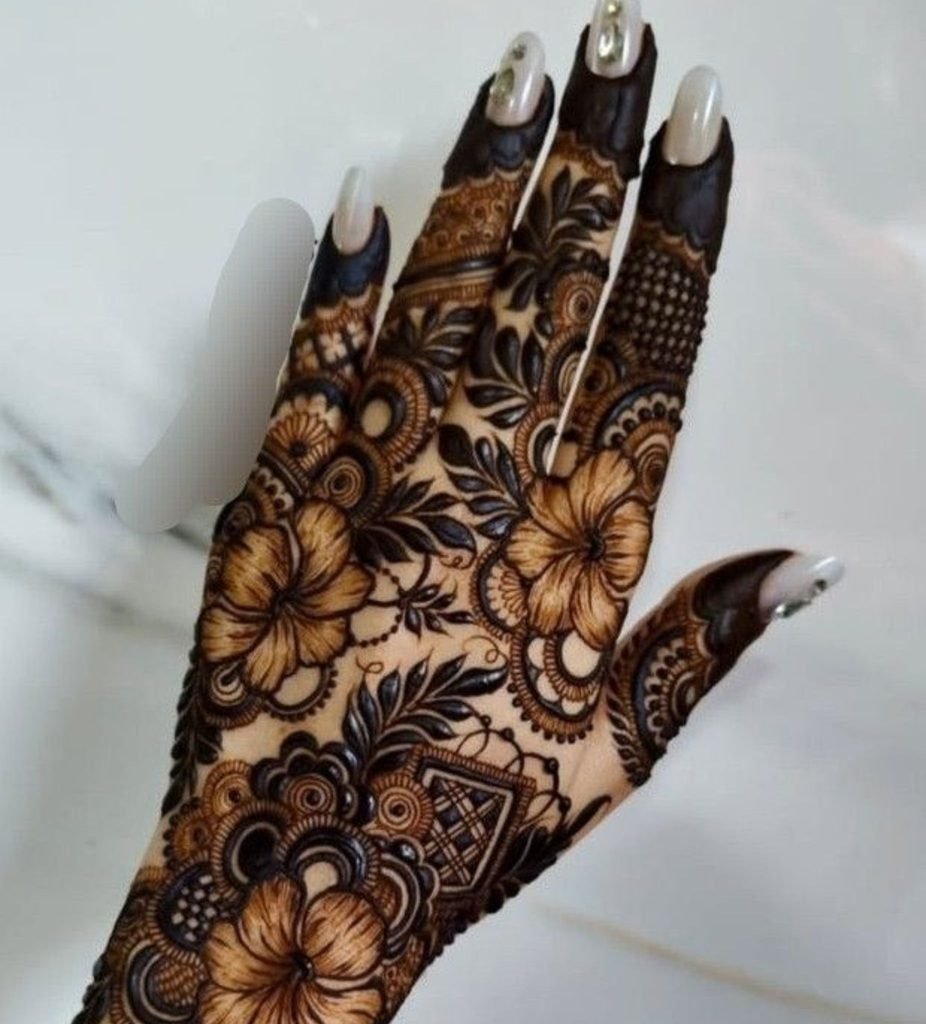
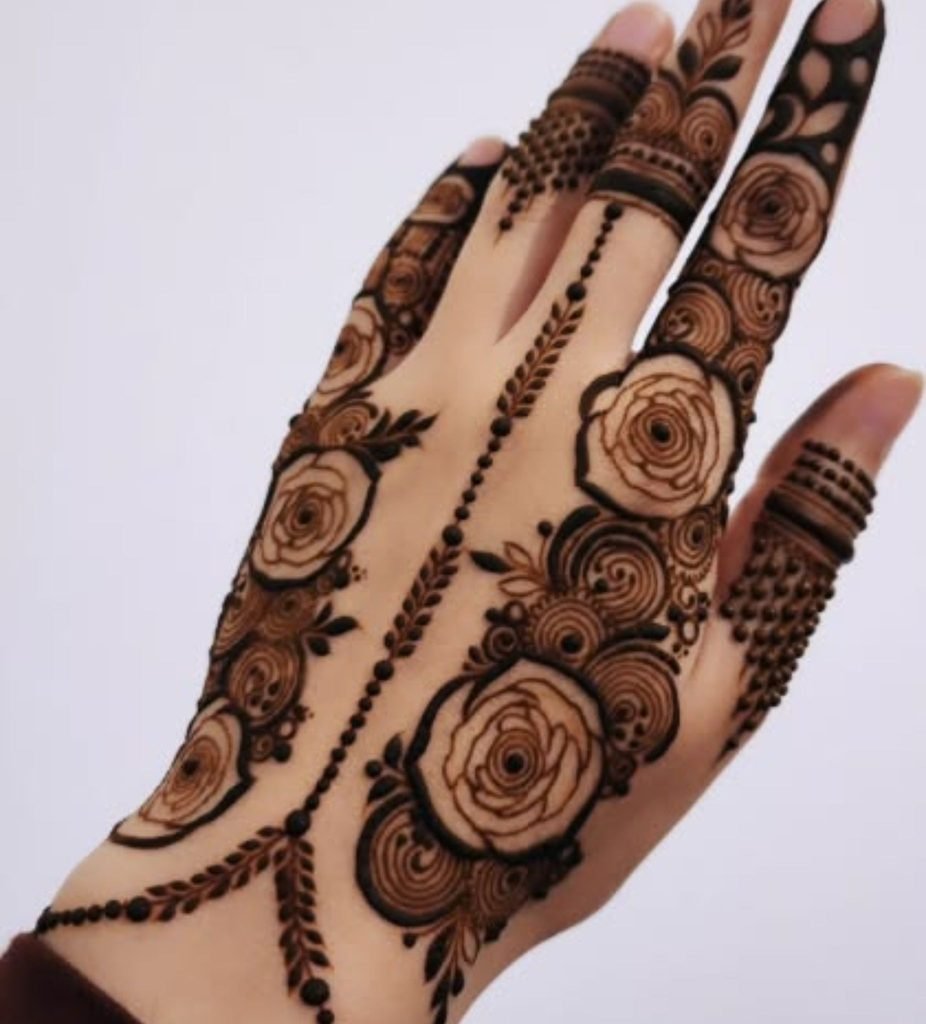
Flowers are a timeless favorite, and floral patches are probably the most requested style at any mehndi counter. A cluster of petals on the back of the hand, paired with a smaller flower near the wrist, creates a soft and feminine look.
This style works beautifully for daytime events, haldi ceremonies, or casual family gatherings. Floral patches also pair well with thin vine-like lines connecting one patch to another, giving the illusion of a fuller design without the extra effort.
Mandala Patch Mehndi Design
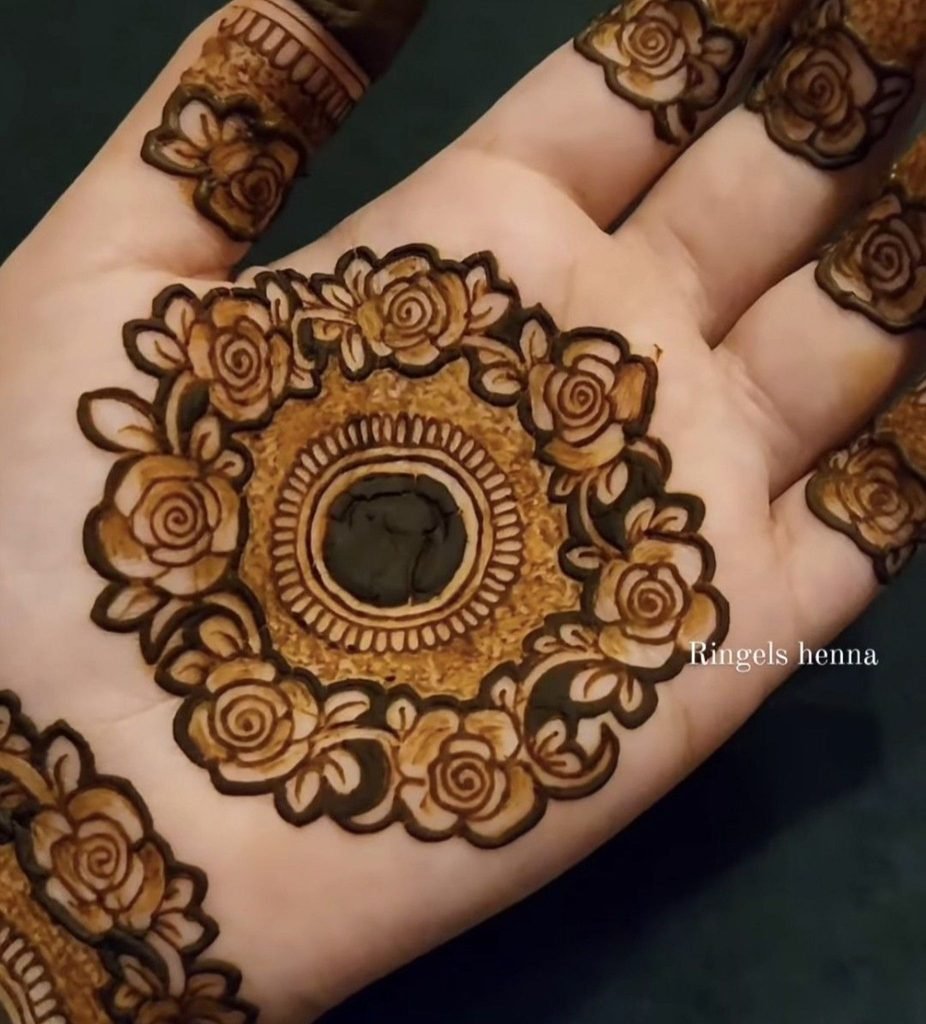
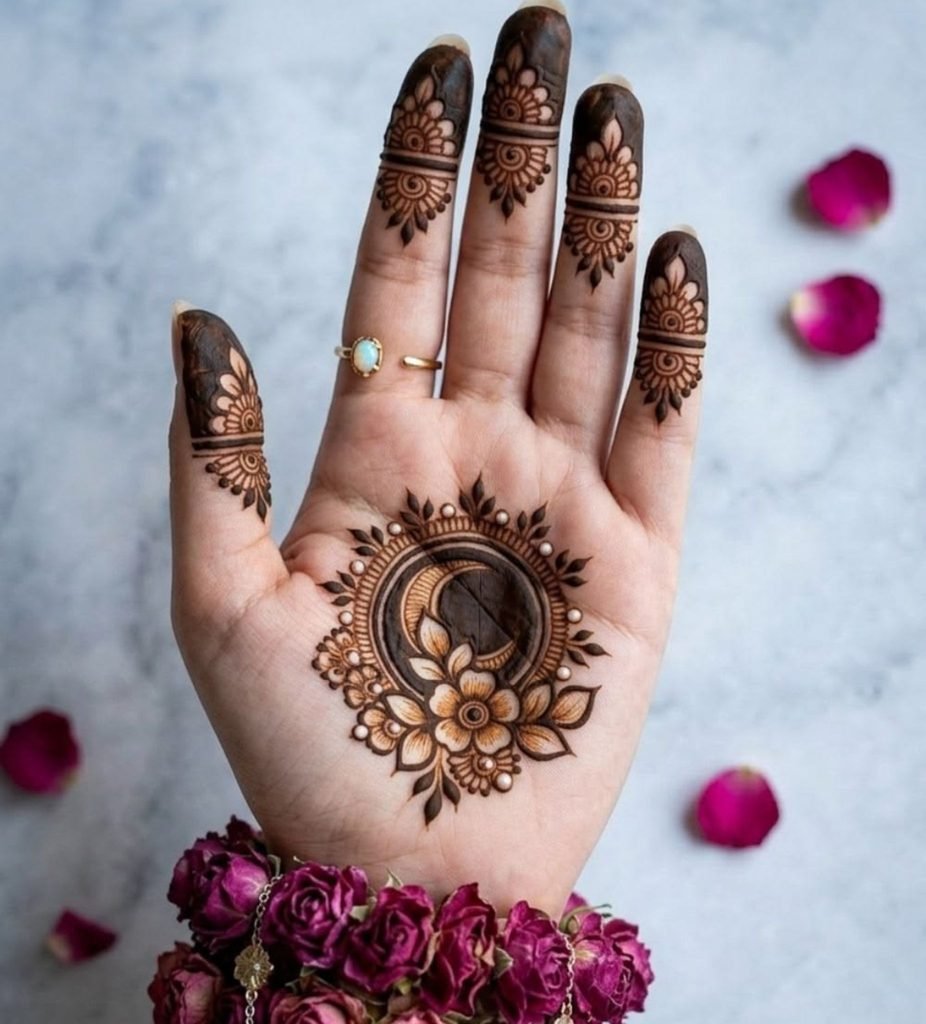
Mandala patches bring symmetry and a calm, almost meditative feel to the hand. A single large mandala placed right in the center of the palm instantly becomes the focal point, while smaller mandala dots can be added near the fingers for balance.
This design suits festivals like Diwali or Karva Chauth, where traditional patterns are appreciated. Mandalas also look striking on their own, so if you want something bold but not overwhelming, one well-placed mandala patch can do the job.
Arabic Patch Mehndi Design
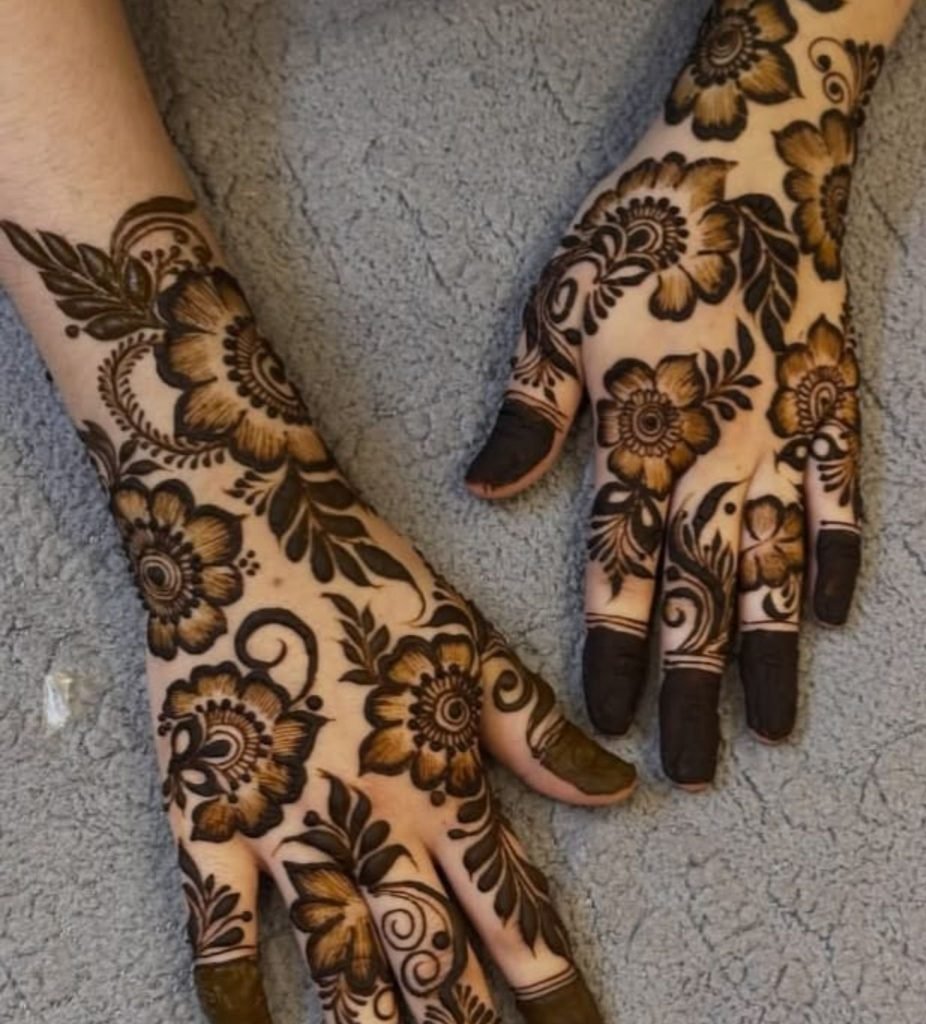
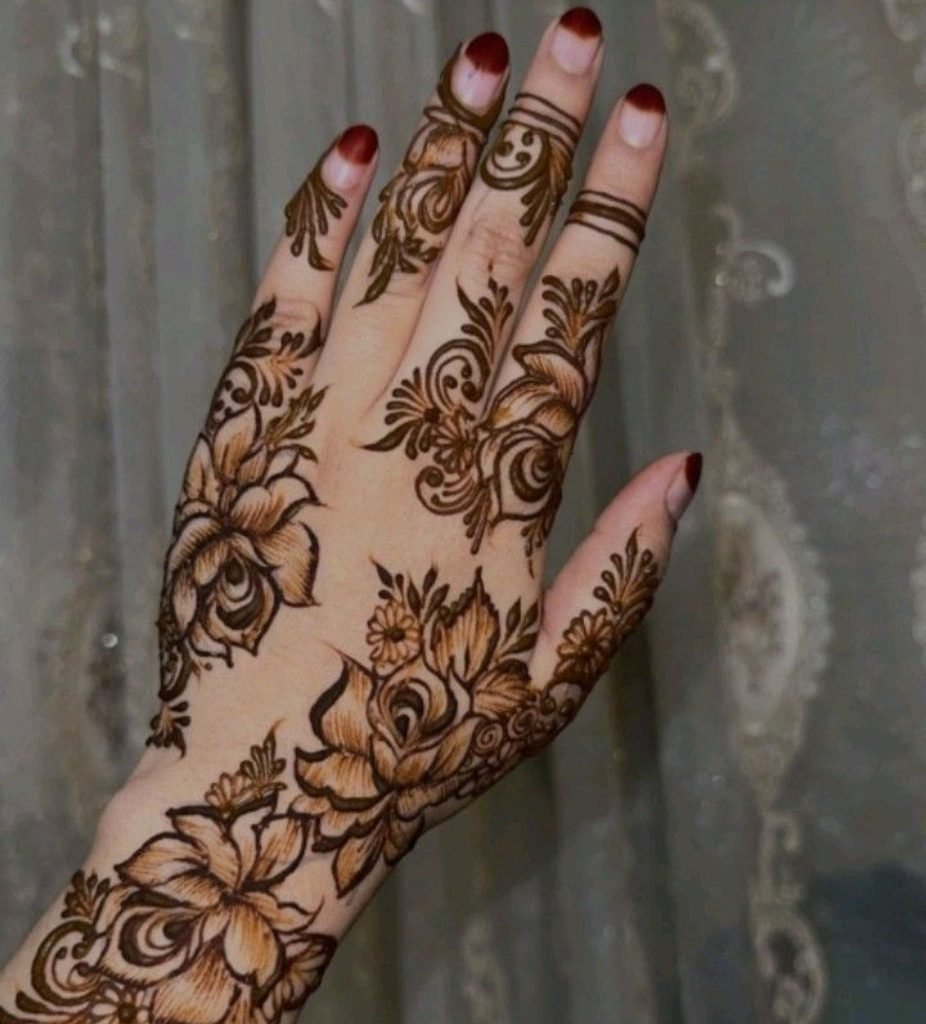
Arabic mehndi is known for its bold, flowing strokes and larger empty spaces between elements which naturally makes it a great fit for the patch style. A thick floral vine running diagonally across the hand, broken into two or three patches, gives an elegant, statement-making finish.
This works great for engagement parties, receptions, or any semi formal occasion where you want visible impact from a distance. Arabic patch mehndi design also dries faster because the lines are thicker and less detailed than intricate traditional patterns.
Minimal Patch Mehndi Design
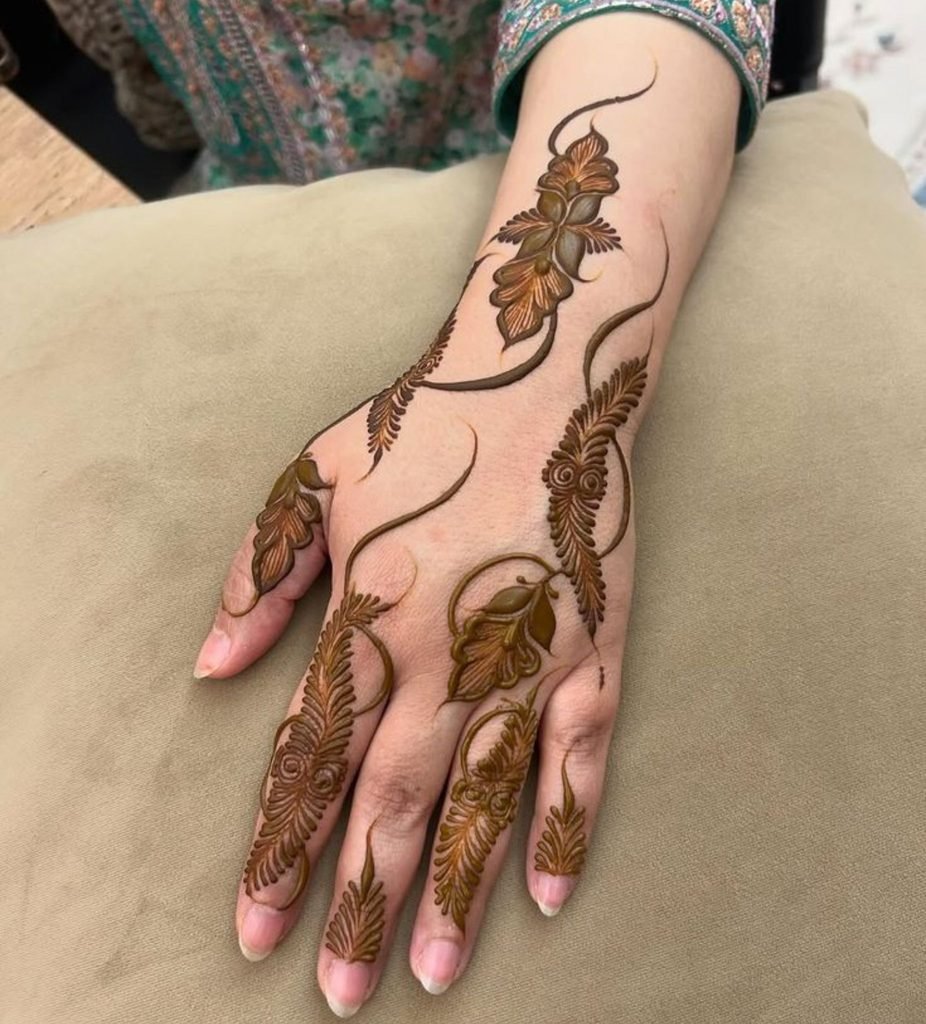
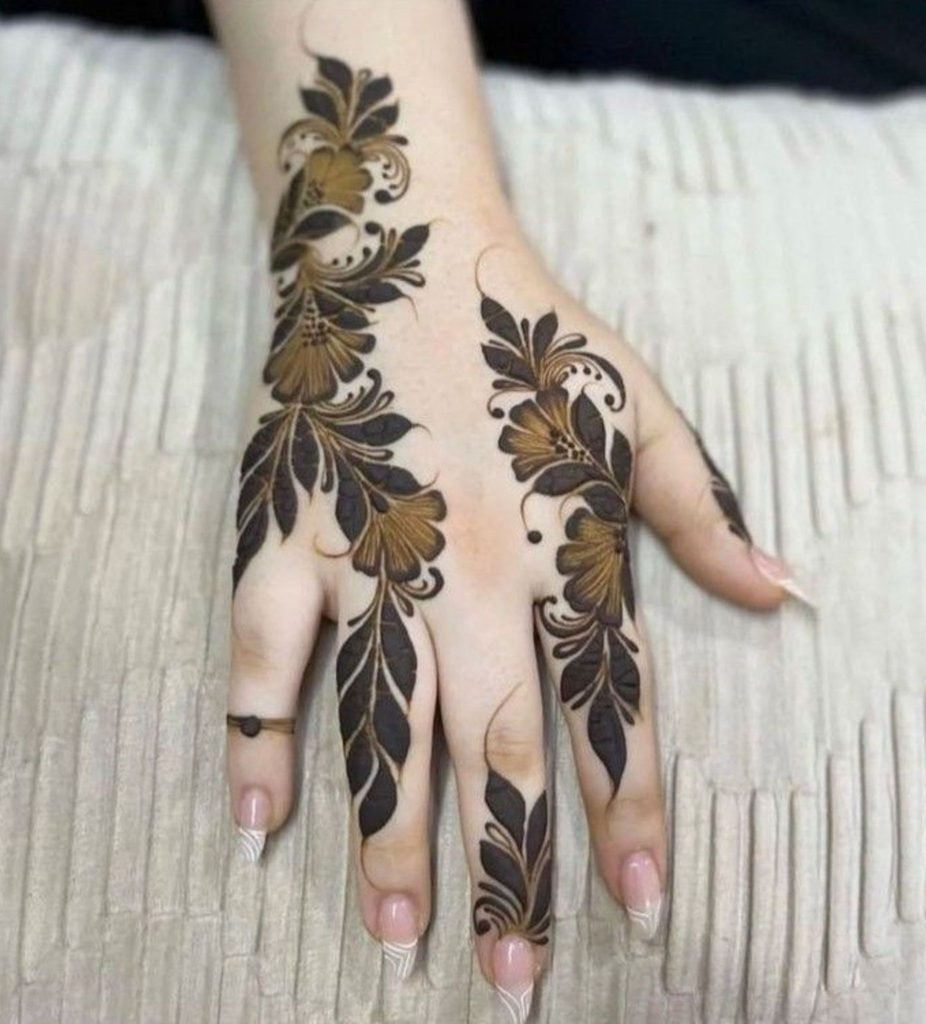
If you’re someone who avoids heavy hand art altogether, minimal patches are your best friend. Think a tiny mandala on one finger, a small dot pattern near the wrist, and nothing else. It’s subtle, modern, and works with everyday outfits, not just festive wear.
Minimal patch mehndi design ideas are especially popular among working professionals and students who still want to join in the festive spirit without spending hours sitting still.
Bridal Patch Mehndi Design
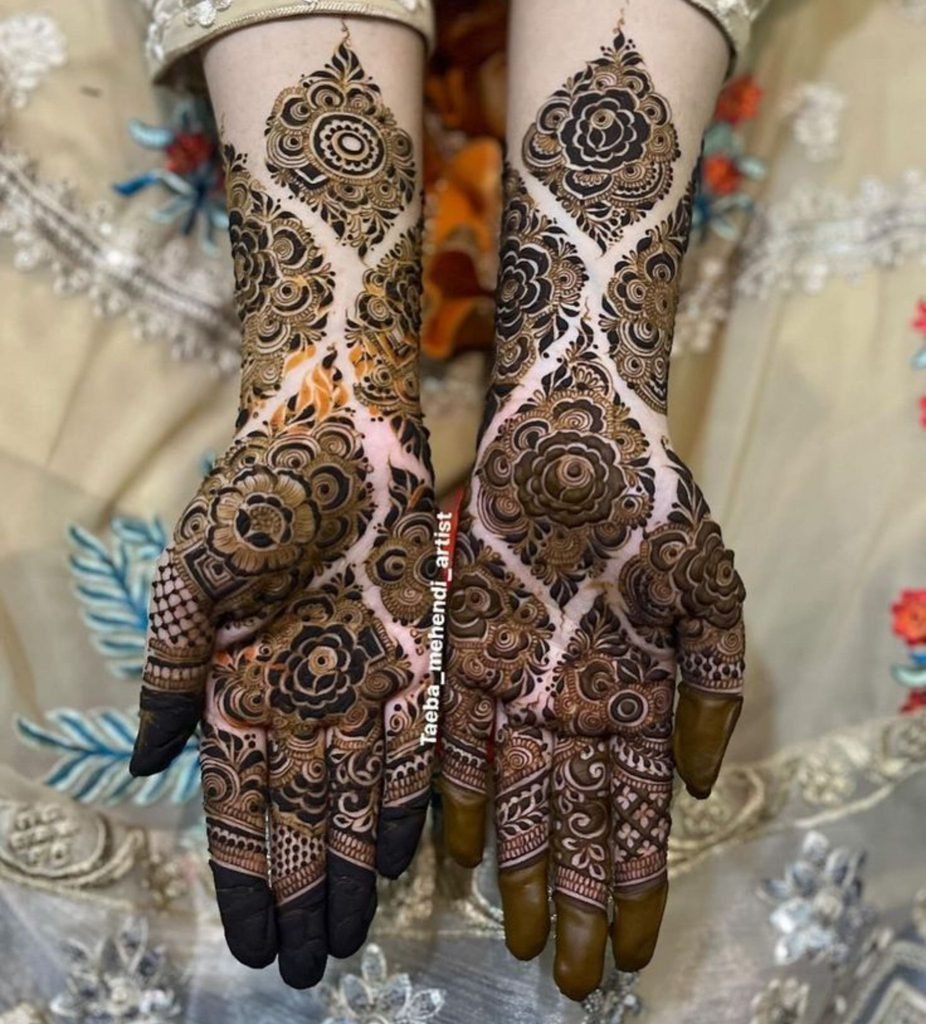
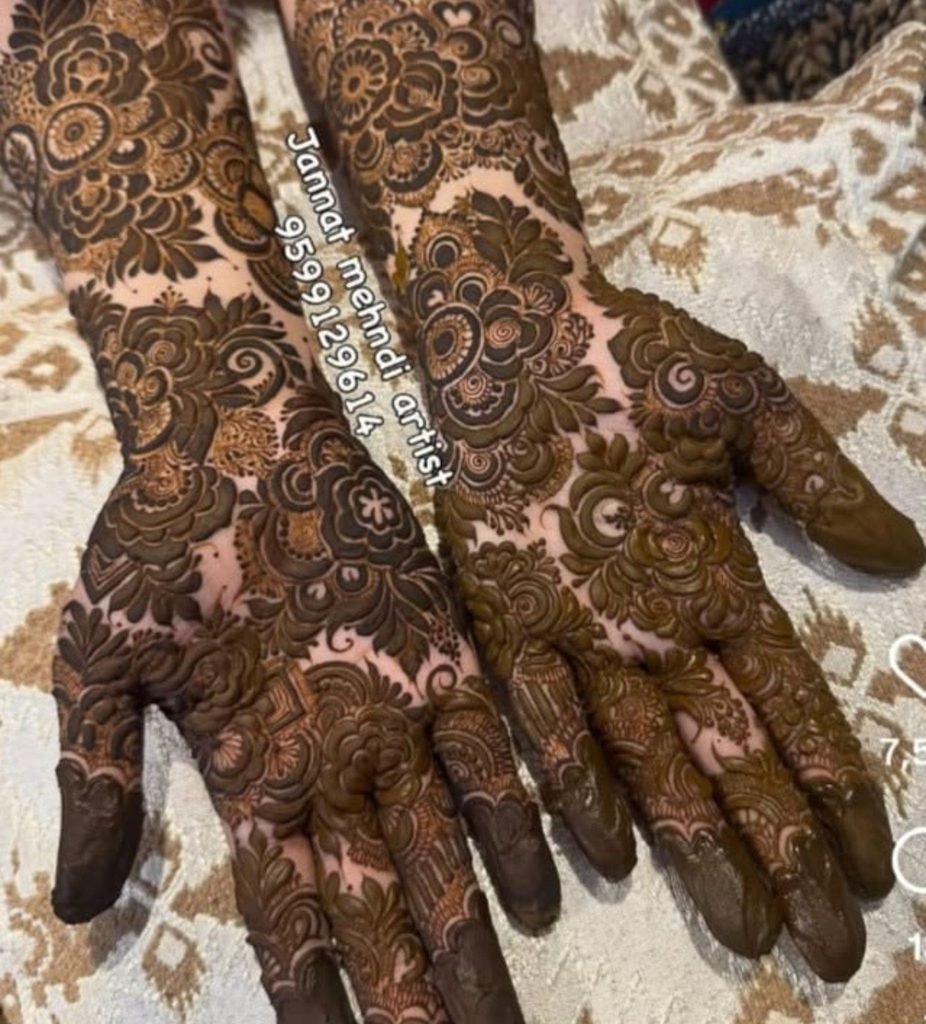
Yes, even brides are choosing patches now though usually combined with fuller coverage on the palms. A common approach is a heavily detailed patch on the palm and another on the back of the hand, connected by delicate lines up the fingers, leaving some bare skin in between for contrast.
This gives brides a rich, traditional look without the design feeling too heavy or cluttered. It’s a great middle ground for brides who love mehndi art but don’t want their entire arm covered.
Finger Patch Mehndi Design
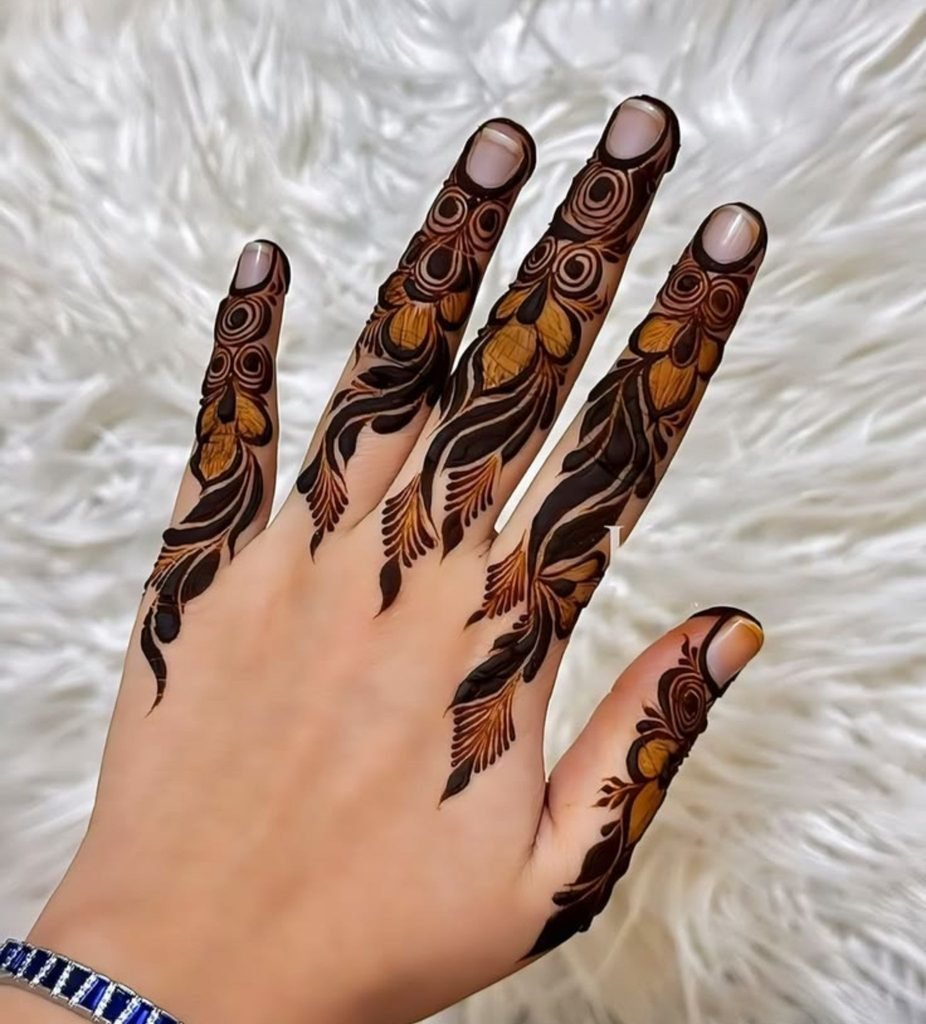
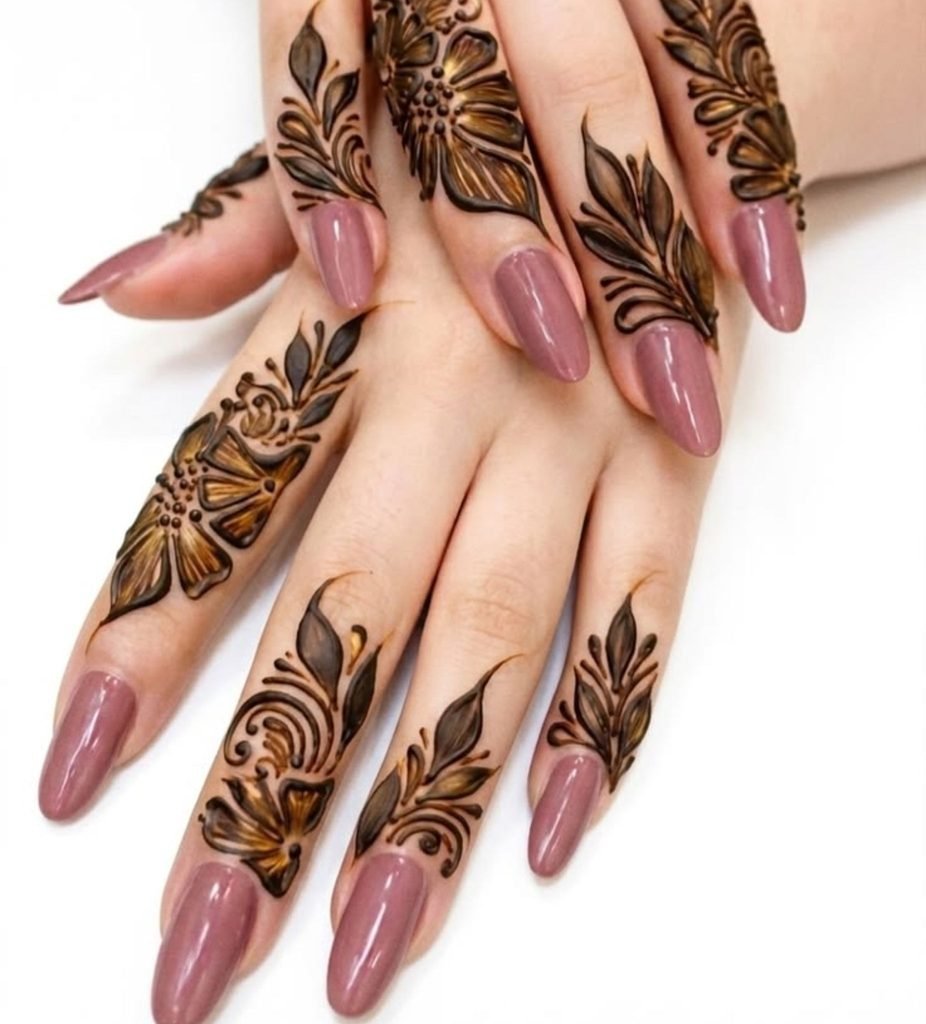
Sometimes the smallest details make the biggest impact. Finger patches rings of henna around each finger, or a small pattern on just the fingertips are perfect for adding a finishing touch to any hand design, or for wearing completely on their own.
These work well for casual outings, college functions, or even office parties where a bold full-hand design might feel like too much.
Who Should Try Patch Mehndi Designs?
Honestly, almost anyone. But patch mehndi design ideas are especially great for:
- People attending multiple events in one day who don’t have time for a long session
- First-timers who aren’t sure how much henna coverage they want
- Anyone who prefers a modern, artistic look over traditional full coverage
- Guests at weddings, haldi functions, Eid celebrations, or birthday parties
Tips for Choosing and Arranging Your Patches
- Start with a focal point. Pick one main patch usually on the palm or back of the hand and build smaller patches around it.
- Leave breathing space. The beauty of this style comes from the visible skin between patches, so don’t overcrowd the design.
- Mix themes carefully. Combining florals with geometric patches works, but stick to two styles max so the hand doesn’t look messy.
- Think about placement. Wrists and finger bases are great for smaller patches, while the palm and back of the hand suit bigger, detailed ones.
- Match the occasion. Save bold, dense patches for weddings and festivals, and keep things minimal for everyday wear.
Final Thoughts
A patch mehndi design gives you the freedom to be creative without committing to a full hand pattern. Whether you love florals, mandalas, or bold Arabic strokes, there’s a patch style that fits your personality and your event. Start small, mix a few patterns, and you’ll find that sometimes, less really is more.