
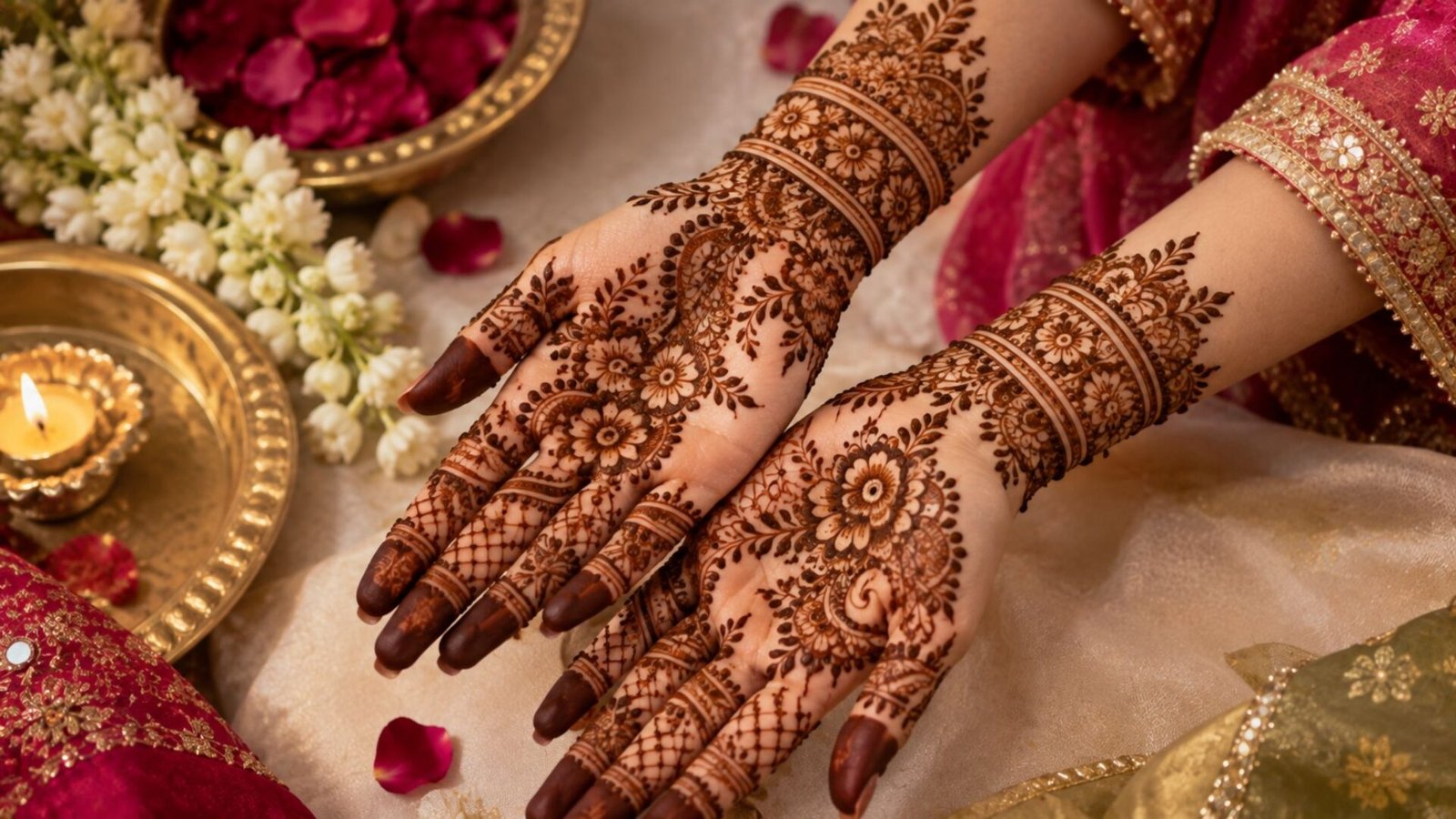
There is something magical about watching plain, empty hands slowly fill with intricate lines, dots, and swirls. That is the charm of an Indian mehndi design: it turns skin into a canvas and every festival, wedding, or family function into a small work of art. What makes Indian henna art so special is how effortlessly it blends the old with the new.
In this article, we will walk through some of the most loved mehndi styles, from deeply traditional patterns to minimal, everyday friendly looks. Whether you are getting ready for a wedding, a festival, or just want something pretty for a weekend outing, there is an Indian mehndi design here that will speak to you.
Traditional Indian Mehndi Design
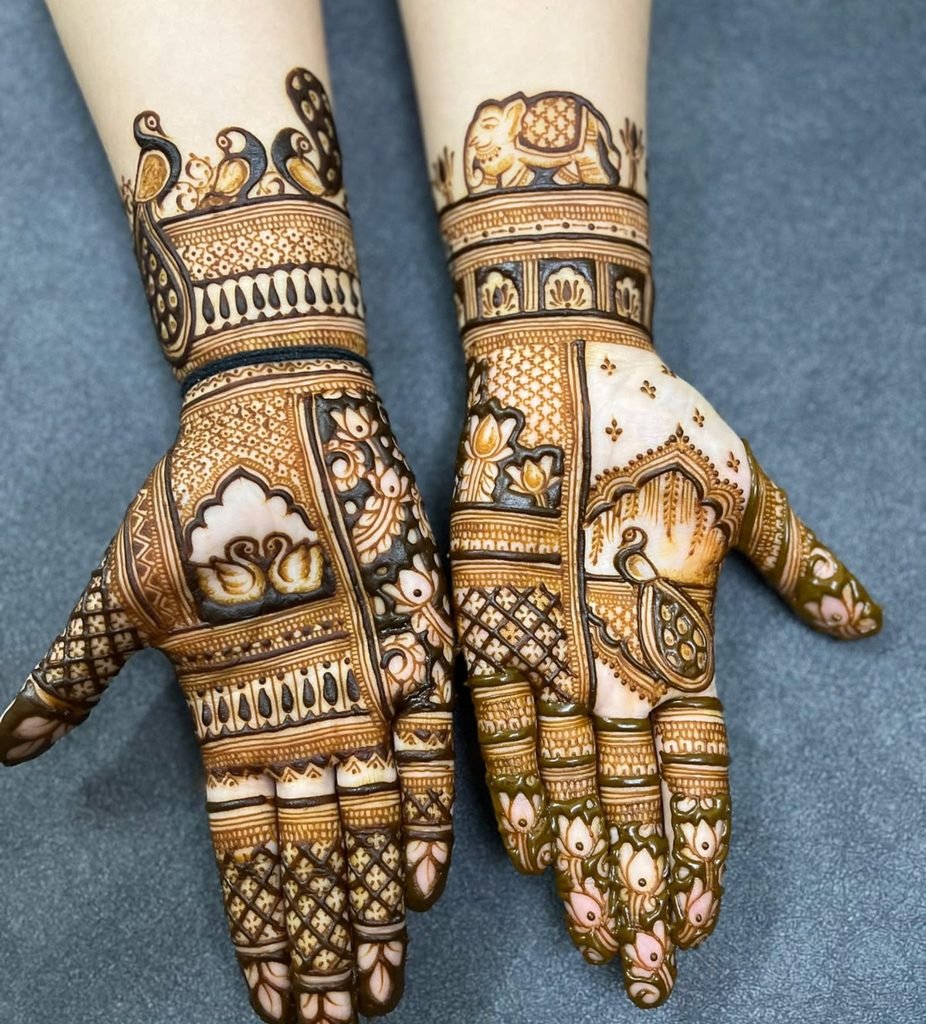
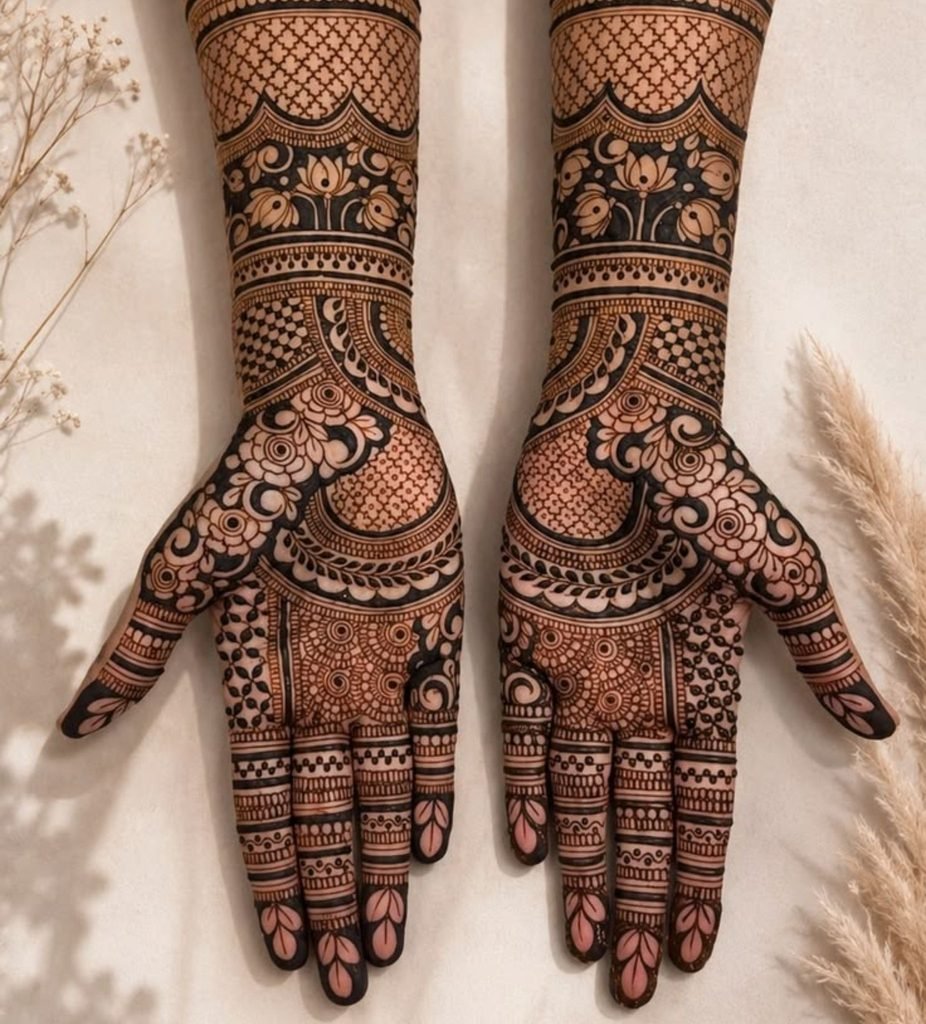
This is where it all begins. A traditional Indian mehndi design usually features paisleys, domes, and fine net-like fillings that cover the palm almost completely. You will often spot temple motifs, small birds, and curved vines running along the fingers. It is detailed, rich, and carries a sense of heritage in every stroke.
This style suits festivals like Diwali, Karva Chauth, or family poojas, where a classic, time-honoured look feels just right.
Floral Indian Mehndi Design
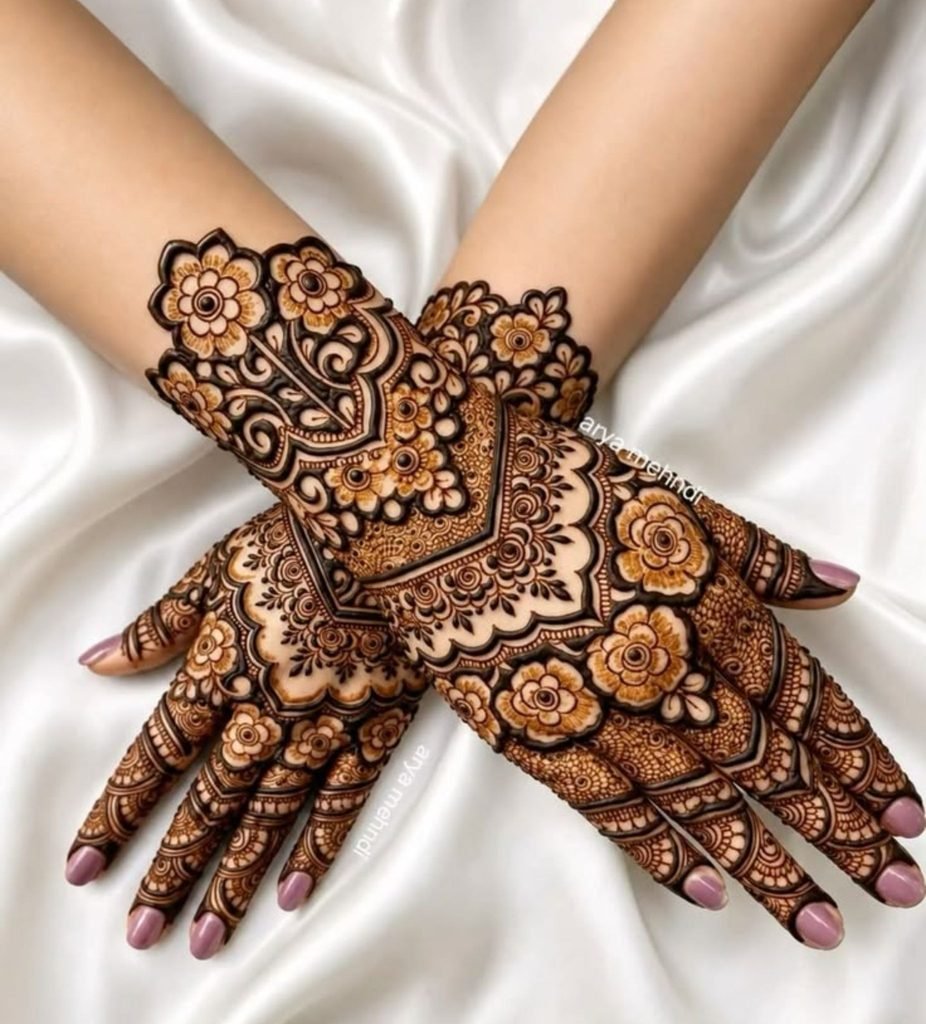
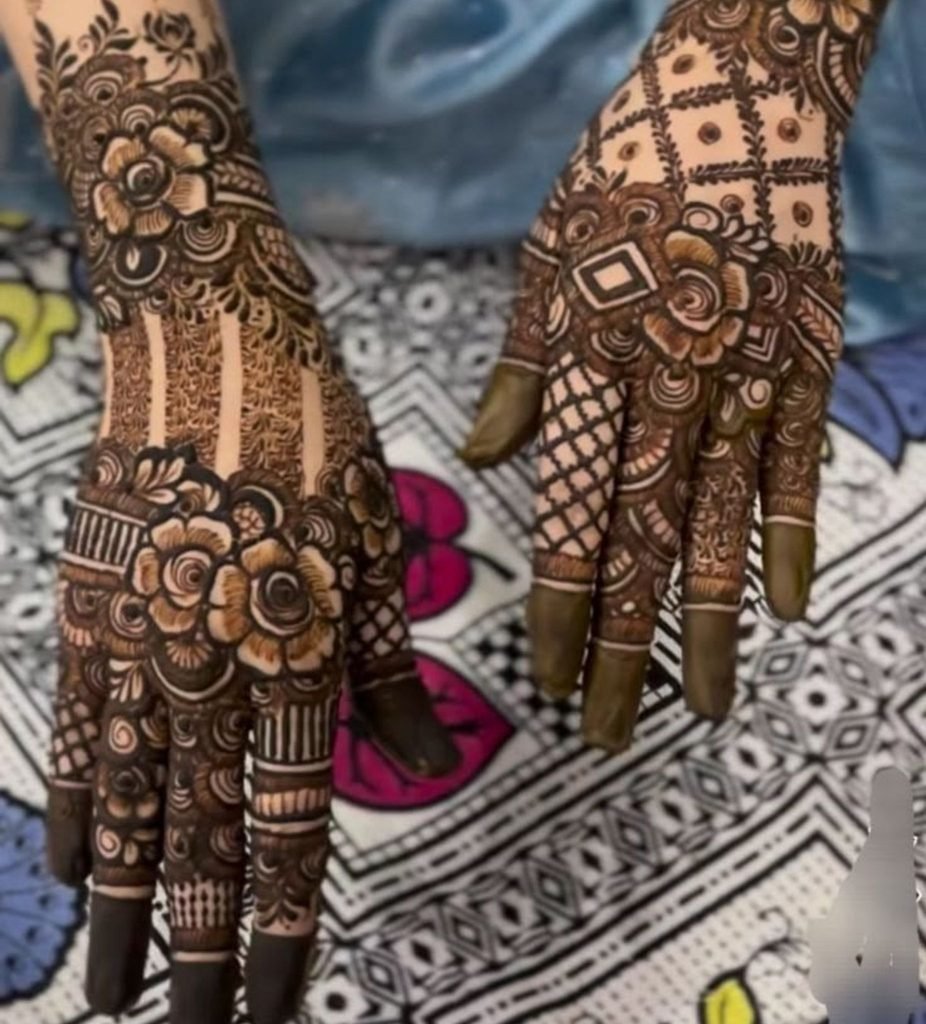
Flowers never really go out of fashion, and mehndi is no exception. A floral Indian mehndi design usually has large blooming flowers as the centrepiece, surrounded by petals, leaves, and thin trailing stems.
It feels light, romantic, and soft compared to the heavier traditional patterns. This style works beautifully for engagements, baby showers, or even casual get-togethers where you want something pretty without too much bulk on the hand.
Rajasthani Indian Mehndi Design
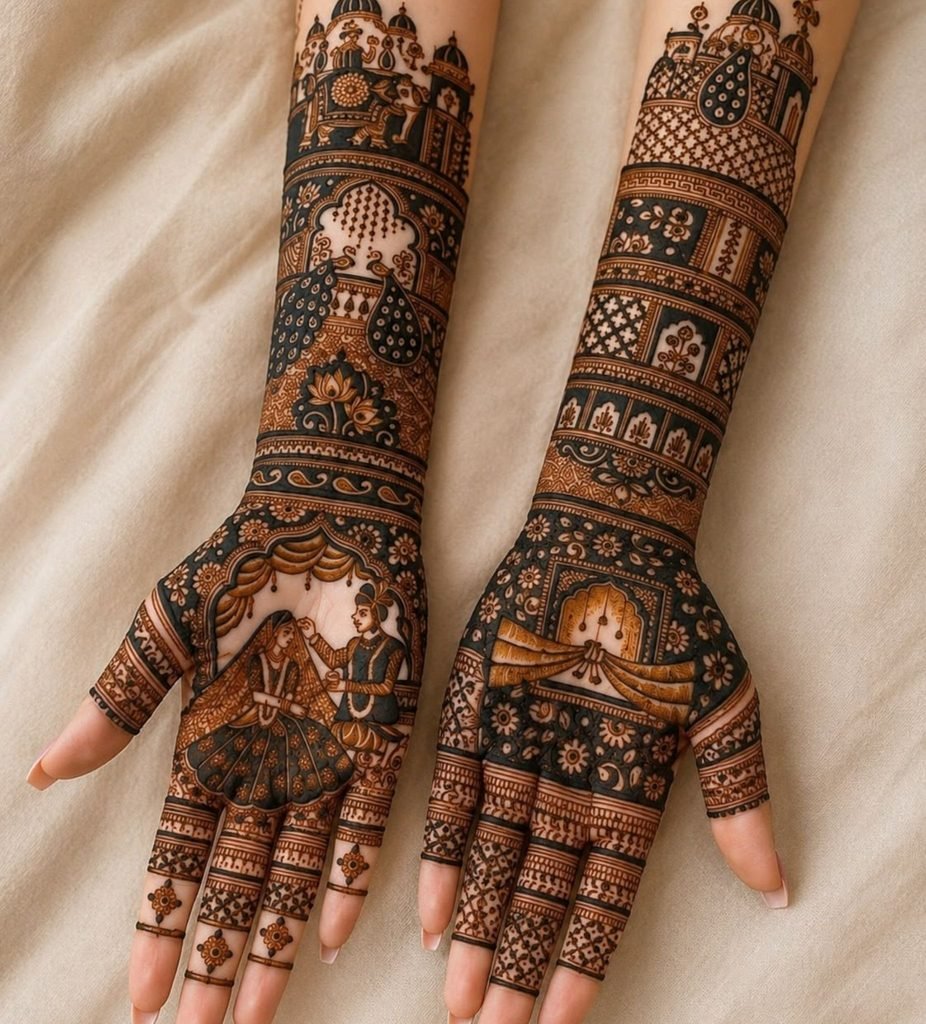
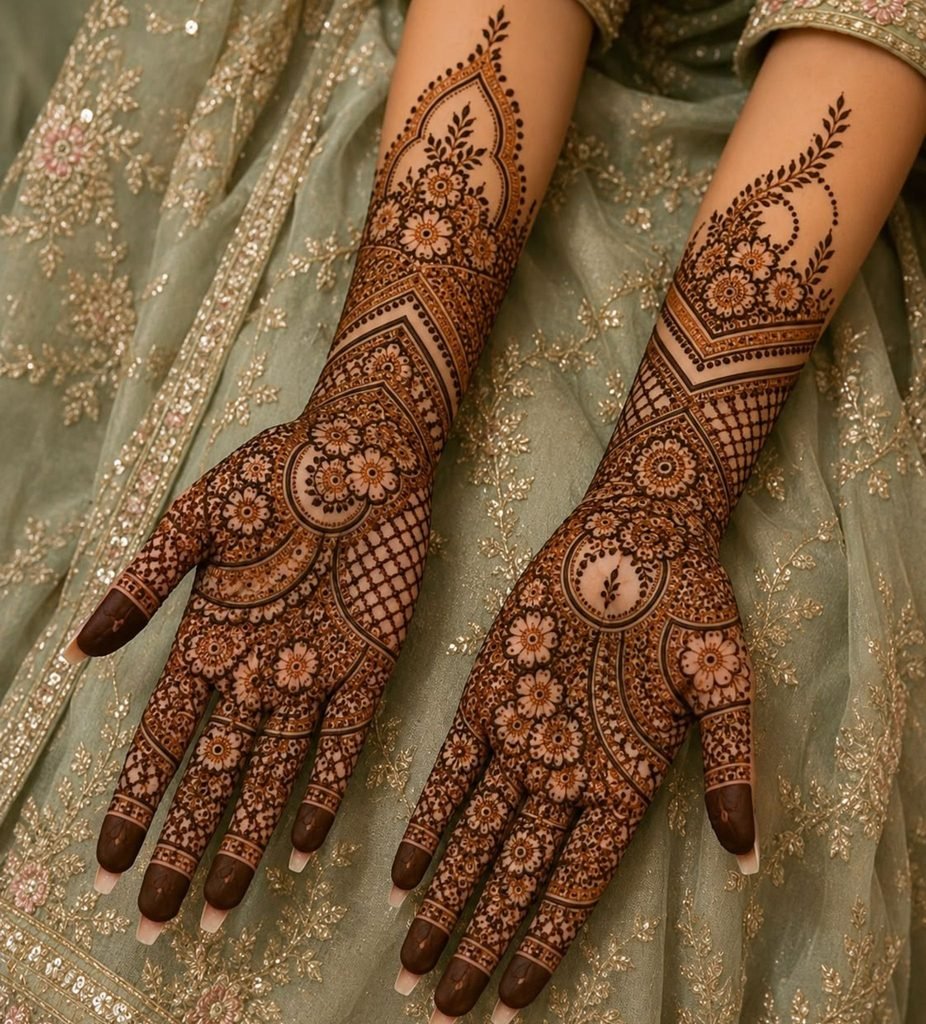
Known for its bold and geometric feel, Rajasthani mehndi often uses grid patterns, checks, and dense shading that gives an almost regal, royal appearance. The fingers are usually covered completely, while the palm carries larger motifs like a bride and groom, a peacock, or a wedding procession scene.
It looks stunning in wedding photographs because of the strong contrast it creates against the skin.
Bridal Indian Mehndi Design
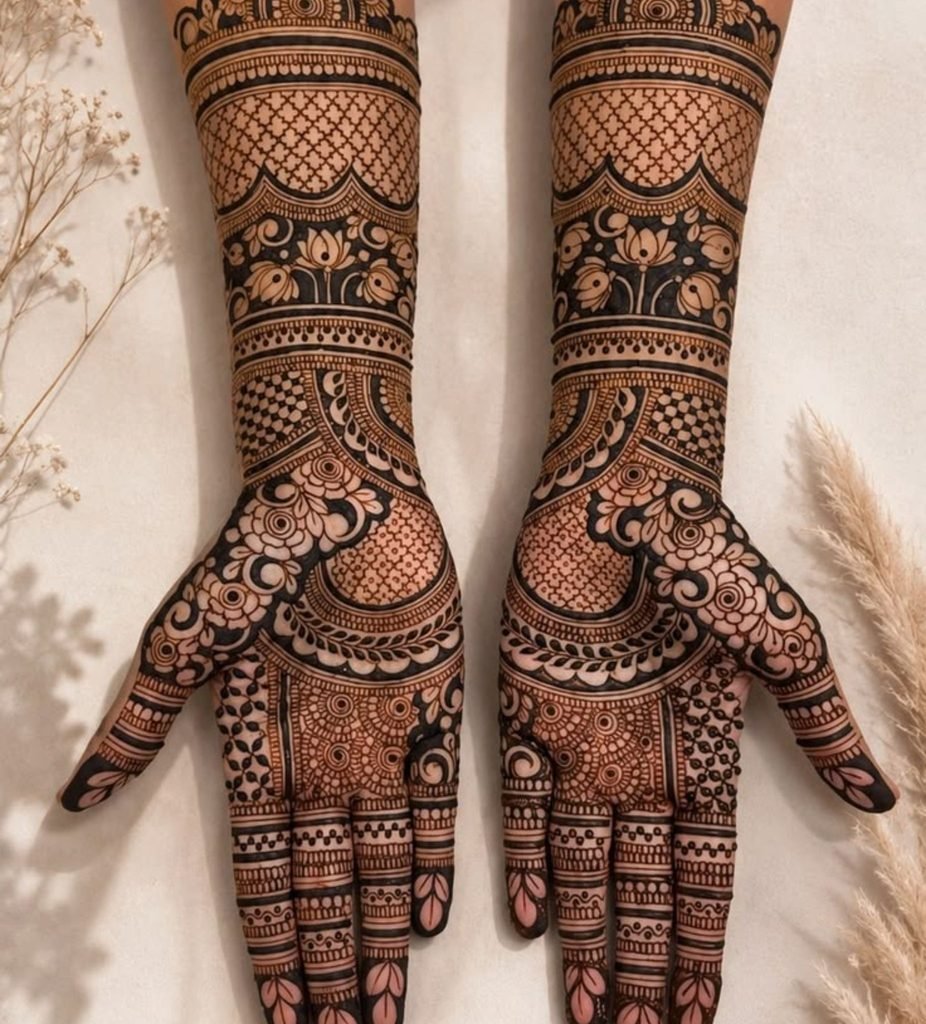
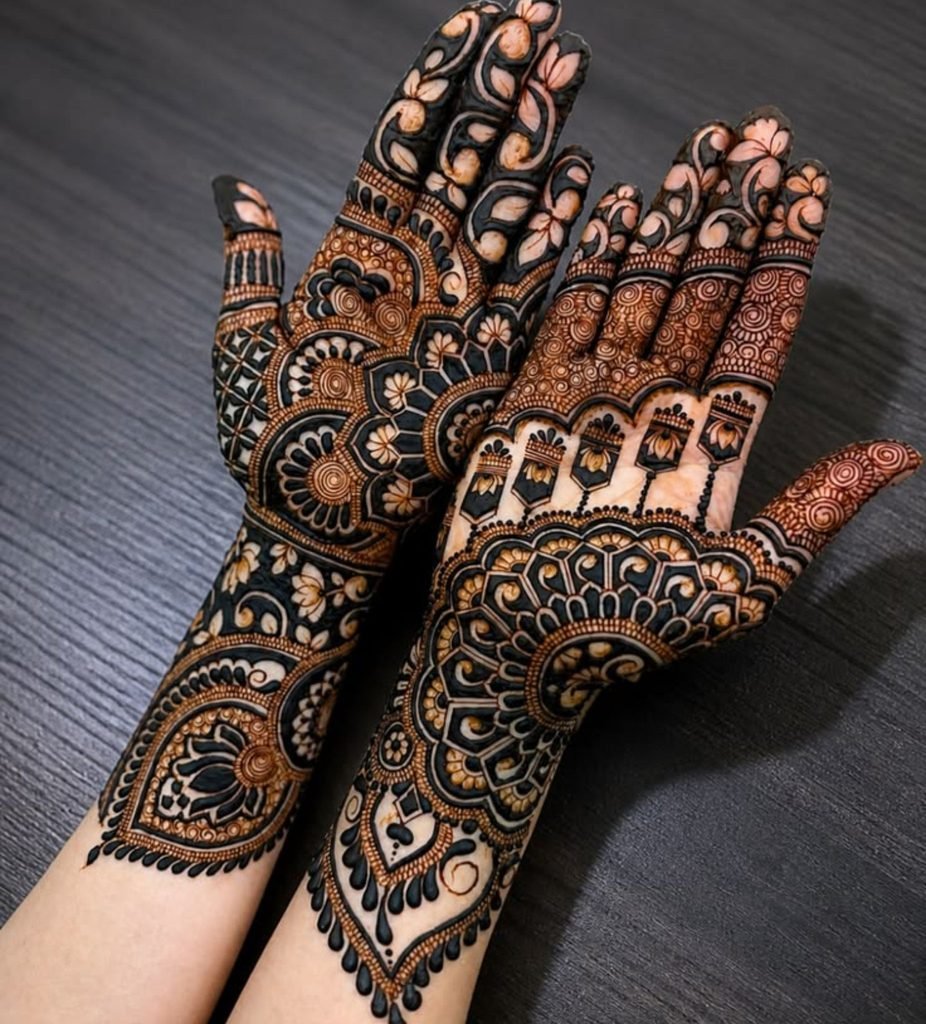
A bridal Indian mehndi design is usually the most elaborate of them all, stretching from the fingertips to well above the elbows, and sometimes covering the feet too. Brides often like to include hidden initials, small figures depicting their wedding story, or the groom’s name tucked cleverly within the pattern.
It takes hours to complete but the final result feels like wearing a piece of art on the big day.
Full Hand Indian Mehndi Design
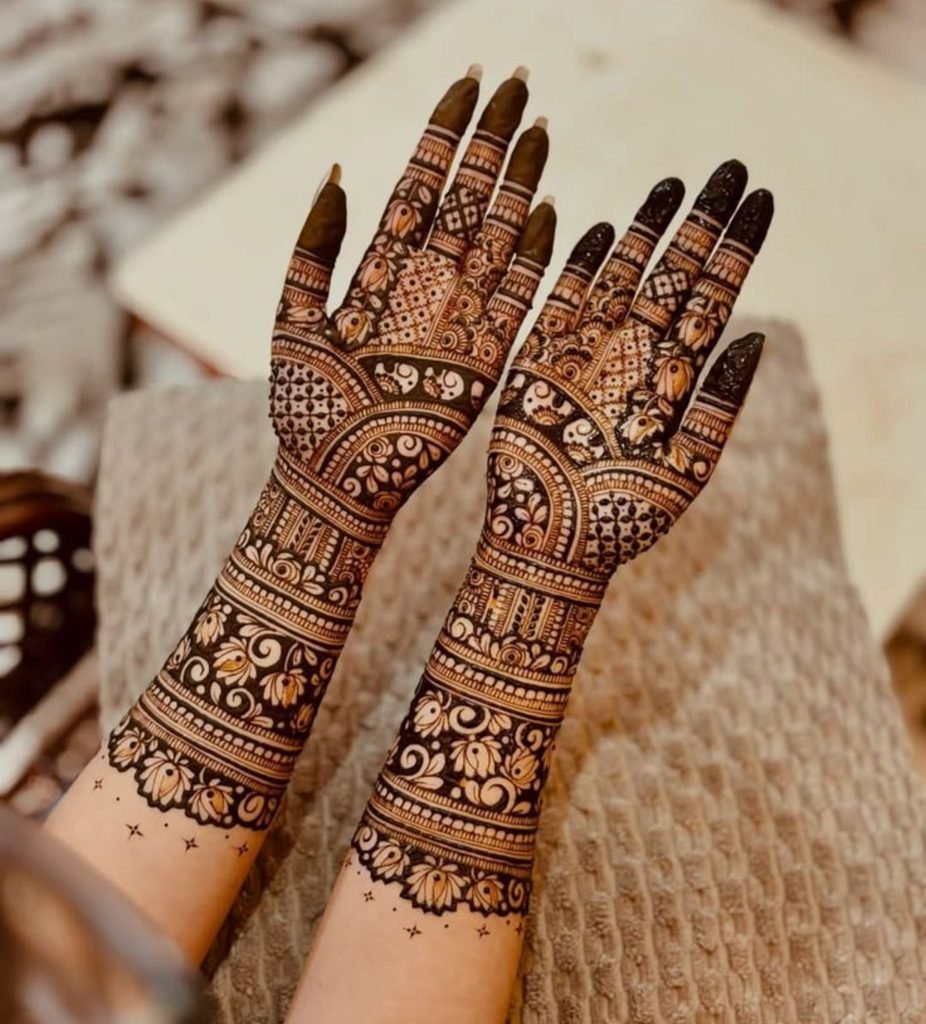
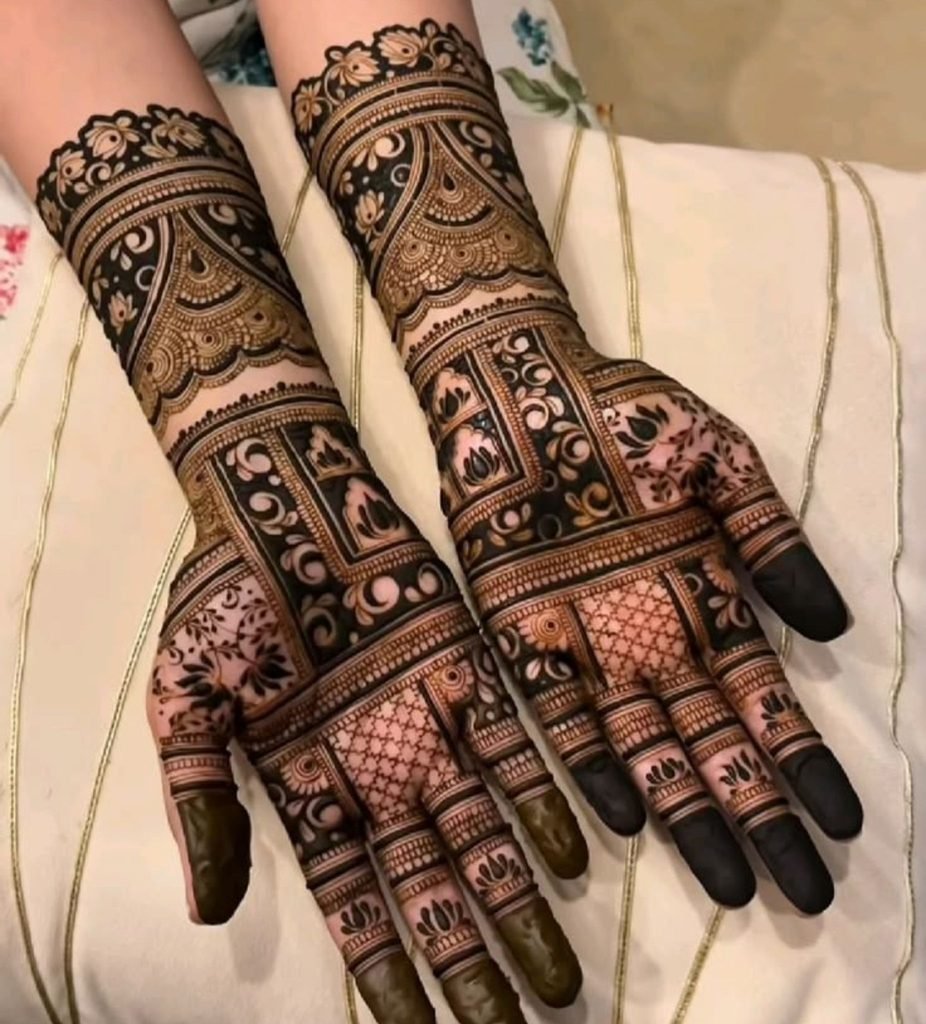
For those who want maximum coverage, a full hand Indian mehndi design leaves very little bare skin. It usually combines several elements: florals, jaal (net) work, paisleys, and sometimes portraits spread across the palm, back of the hand, and fingers together.
This is a popular choice for weddings and big family functions where the bride or guest wants a truly dramatic, statement-making look.
Modern Indian Mehndi Design
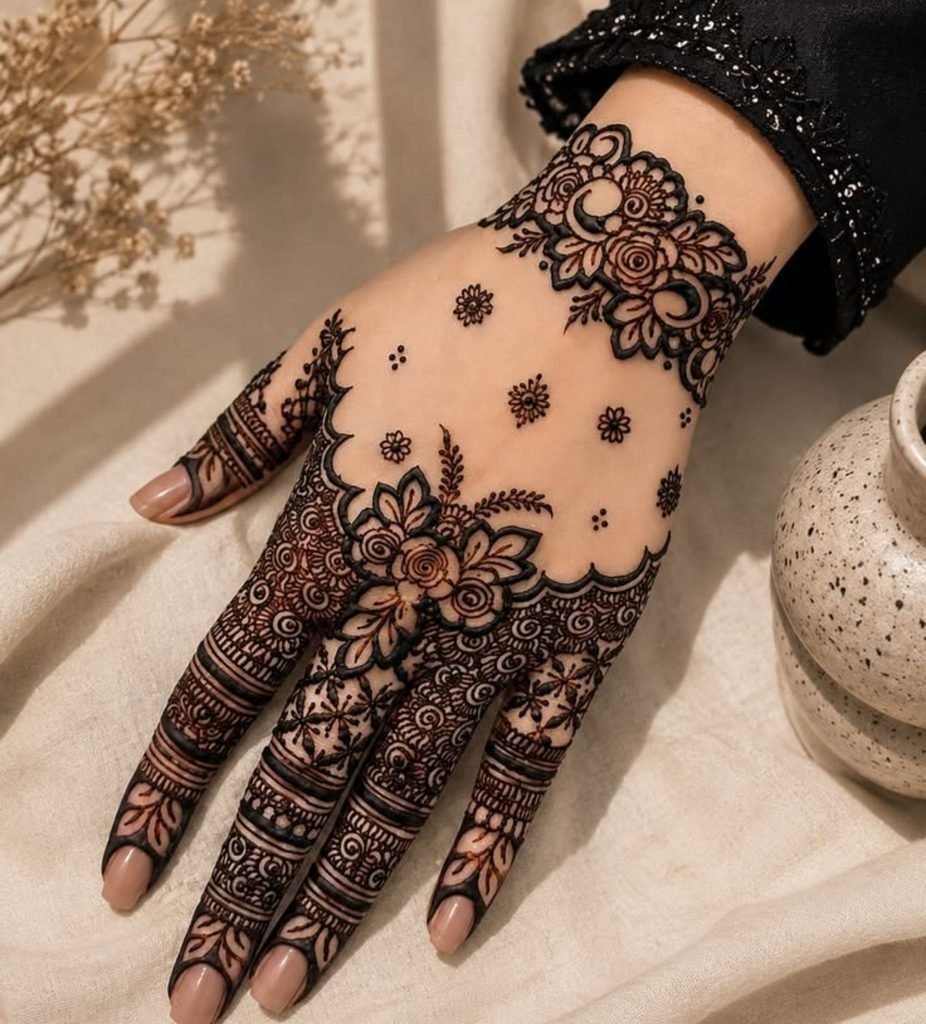
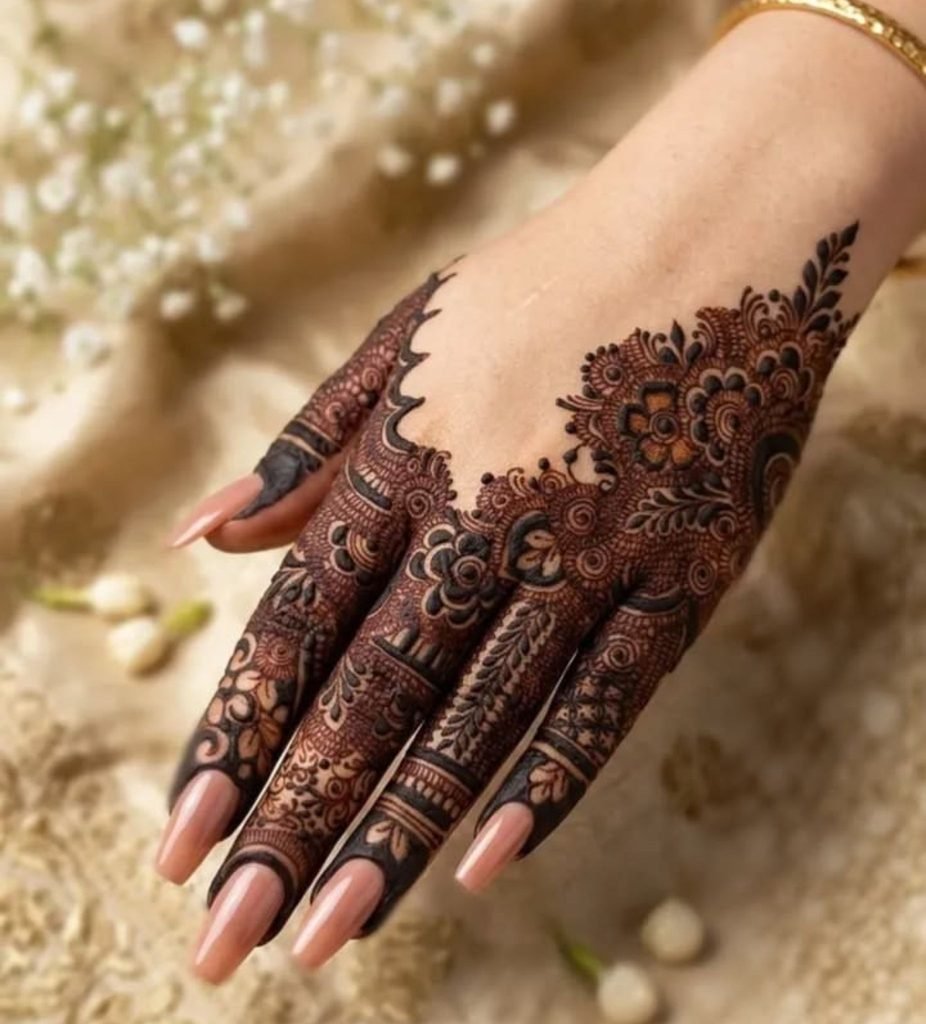
Modern Indian mehndi designs often move away from dense, traditional fillings and instead play with negative space, geometric shapes, and even personalised elements like initials or small symbols. You might see thin bracelet-style bands around the wrist or single-line finger patterns instead of full coverage.
This style appeals to younger brides and guests who want something contemporary yet still rooted in Indian mehndi traditions.
Choosing the Right Indian Mehndi Style
Think about how much time you actually have, since detailed patterns can take several hours. Your personal style plays a role as well if you love bold statements, go traditional or full-hand; if you prefer subtlety, minimal or modern designs suit you better. Lastly, consider front hand versus back hand placement.
The front hand is where most of the intricate storytelling happens, while the back of the hand is often used for standalone motifs like a peacock or mandala that look striking on their own.
Conclusion
At the end of the day, mehndi is a personal choice, not a strict rulebook. Whether you lean towards a heavily detailed traditional Indian mehndi design or a quick, minimal pattern for a regular day out, what matters most is that it feels like you. Let the occasion guide you, but let your personality make the final decision.