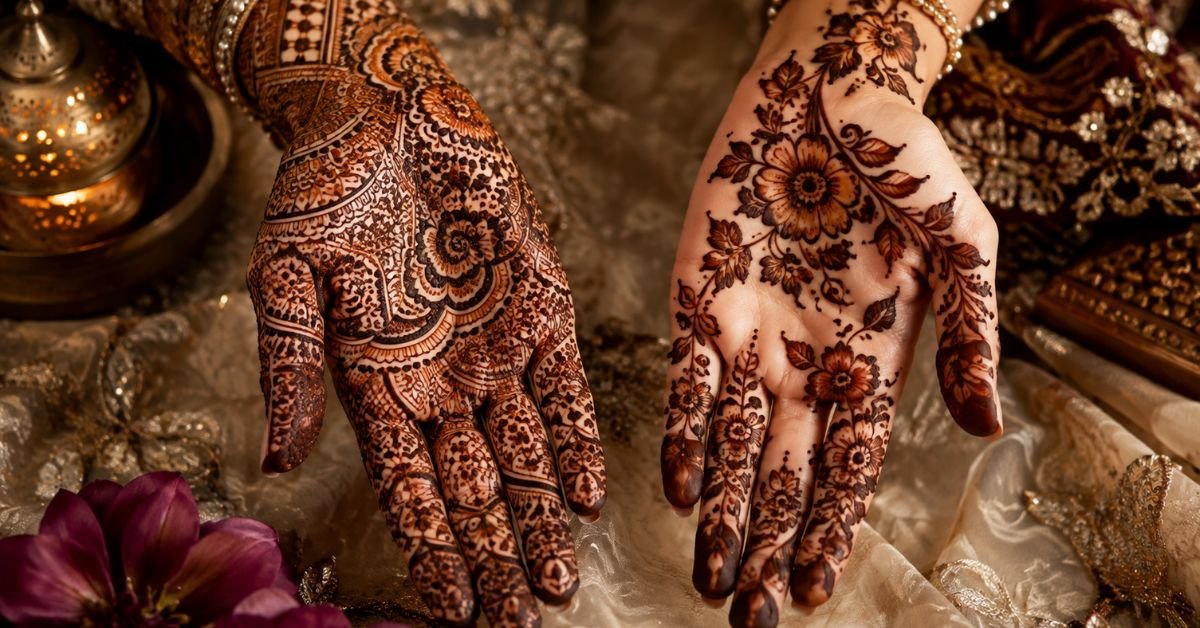
Choosing the perfect mehndi design for your big day can feel overwhelming, especially when two of the most loved styles Rajasthani and Arabic both promise stunning results but in completely different ways. If you’ve been scrolling through inspiration pages wondering about the real difference between Rajasthani and Arabic mehndi, you’re not alone.
Every bride, bridesmaid, or festival goer eventually faces this dilemma: go bold and traditional, or sleek and modern? In this guide, we’ll break down both styles, their origins, patterns, application time, and vibe so you can pick the one that truly matches your personality and event.
Rajasthani Mehndi: Royal Roots, Rich Detailing
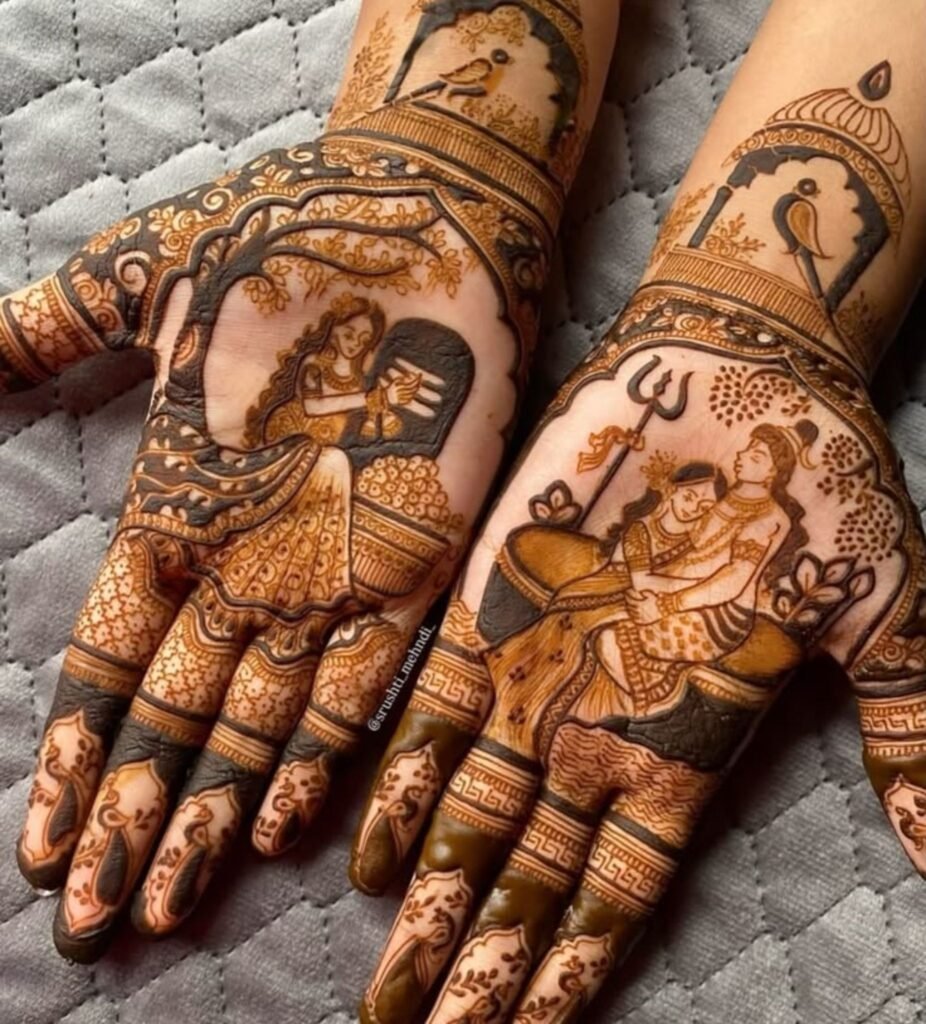
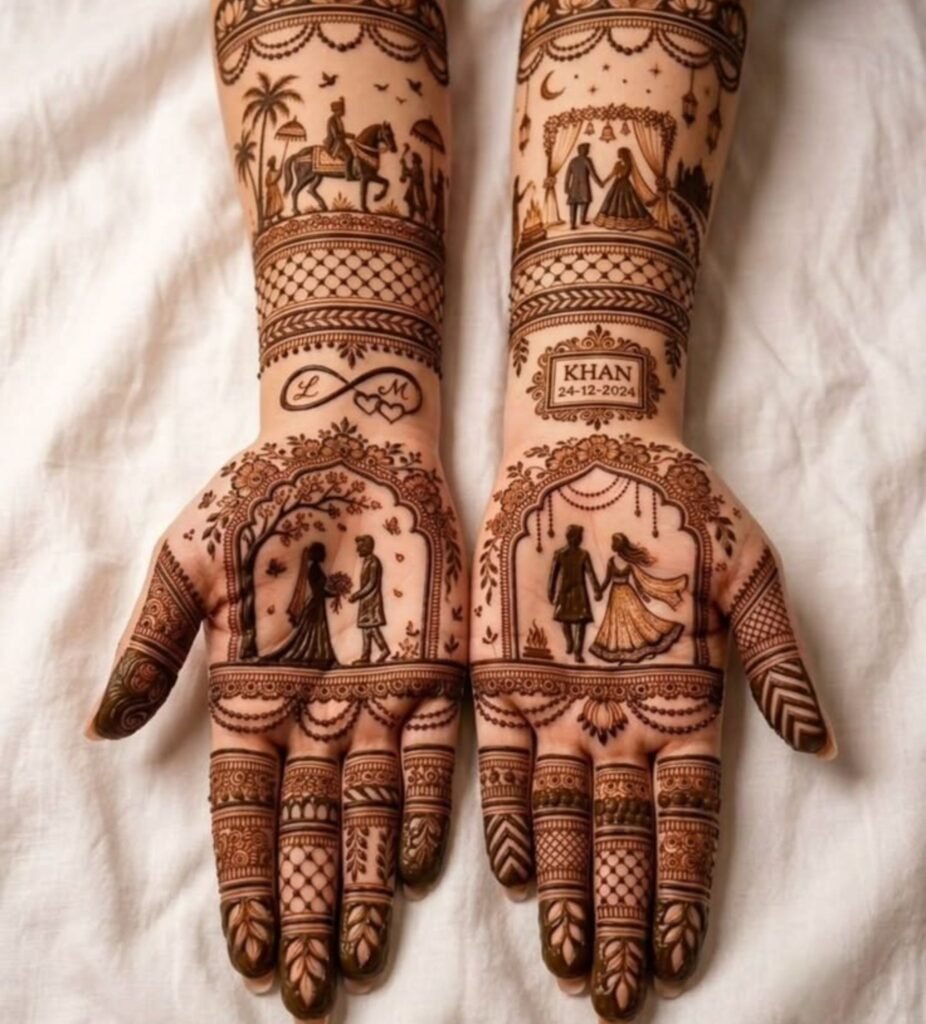
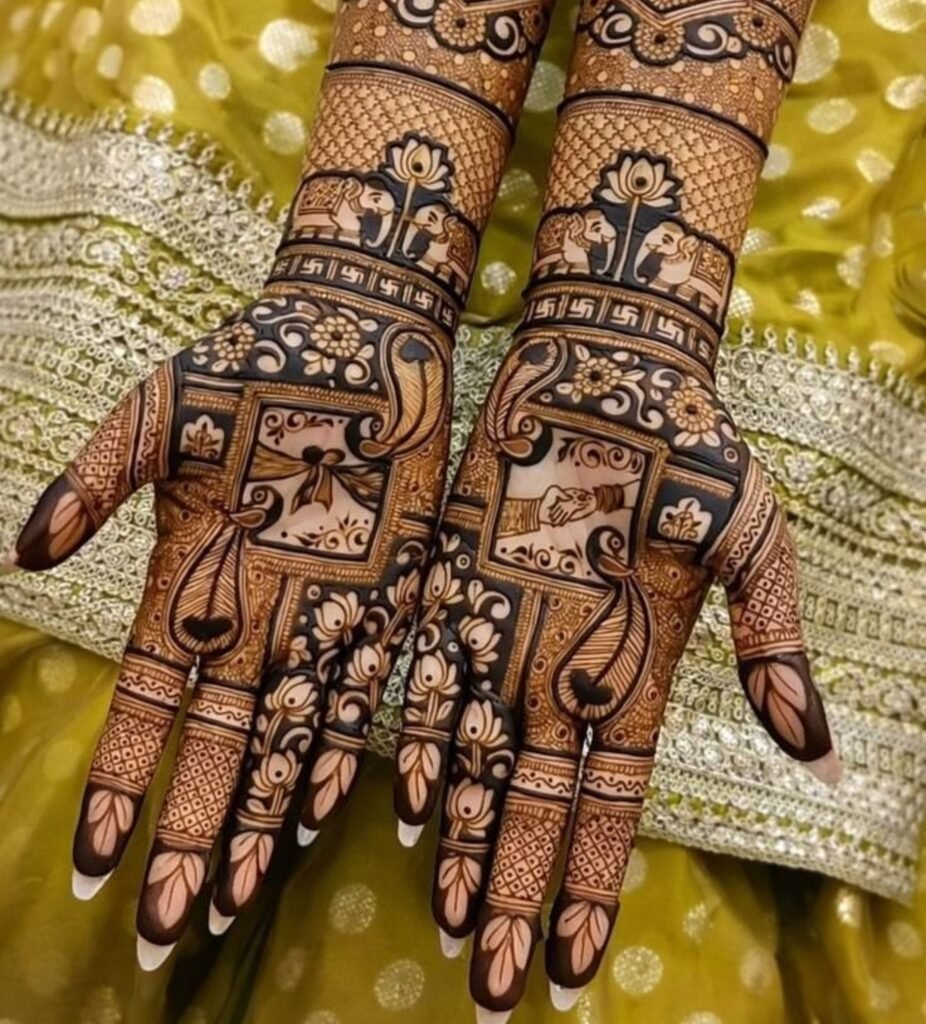
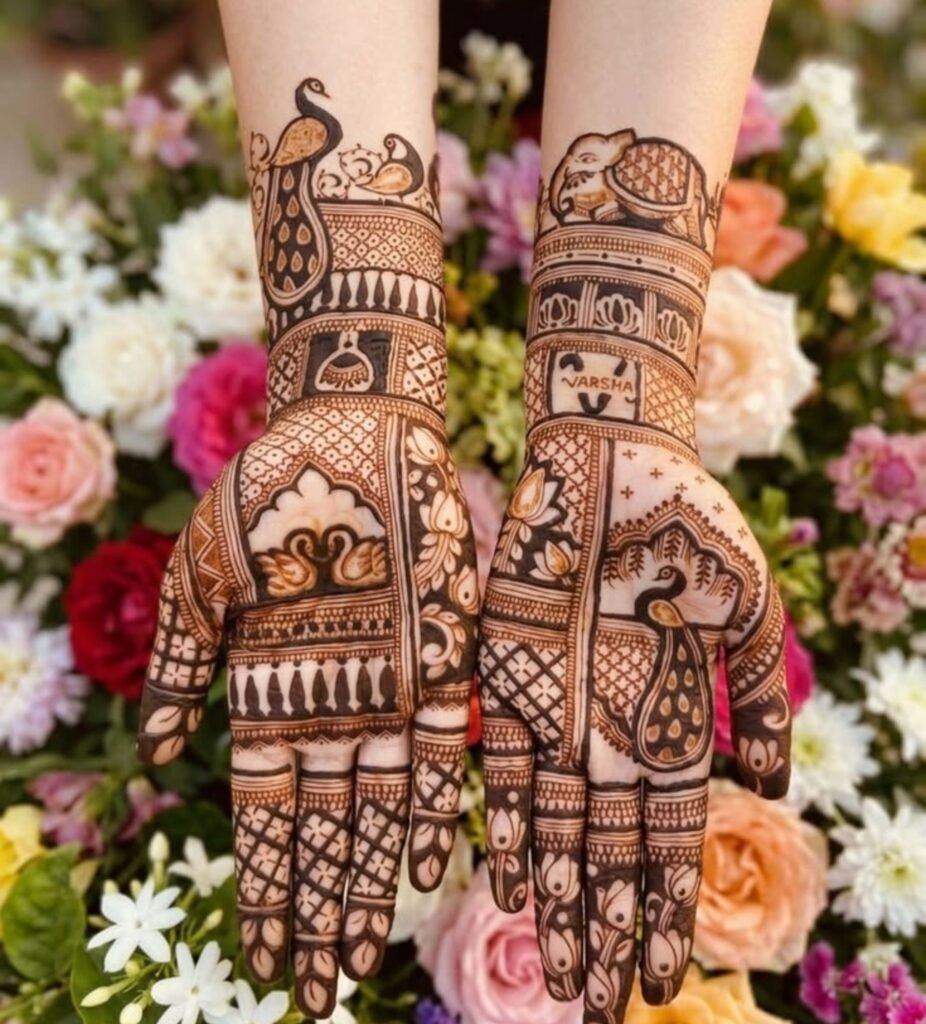
Rajasthani mehndi traces its origin back to the royal courts of Rajasthan, where intricate henna art was a symbol of status, beauty, and celebration. This style is all about full coverage, think hands and feet almost entirely wrapped in fine, lace like patterns that mimic the grandeur of royal jewelry.
Common motifs include peacocks, elephants, domes, jharokhas (palace windows), paisleys, and dense floral clusters. Every inch of space is filled with detail; there’s barely any bare skin left visible, which is why Rajasthani mehndi often looks like an ornate glove once complete.
Because of this heavy detailing, application time is significantly longer, often taking 3 to 5 hours for full bridal hands and feet. Artists work with fine cones to create tiny dots, lines, and net-like fillings that require patience and precision. The result, though, is breathtaking a deep, dark stain with a design so rich it looks like intricate embroidery on skin. This style is a favorite among brides who want that traditional, “dulhan” look with maximum drama and detail.
Arabic Mehndi: Bold Strokes, Effortless Flow
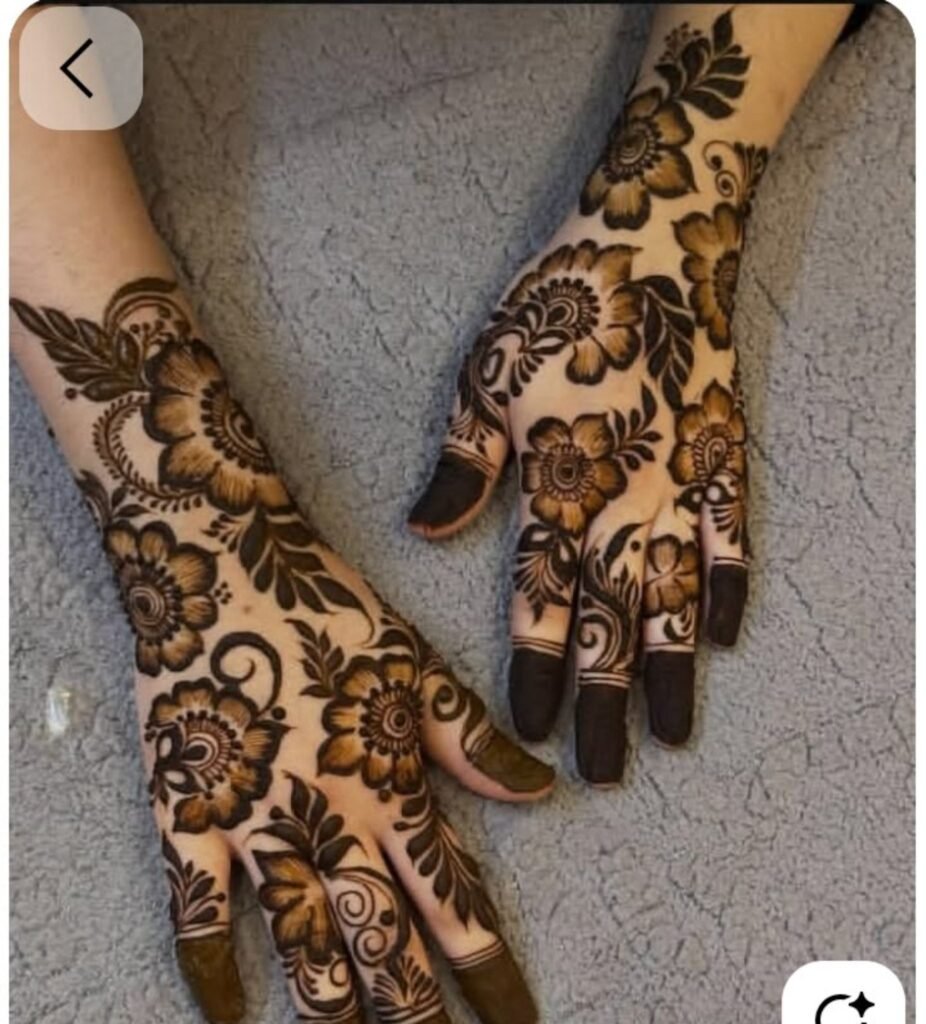
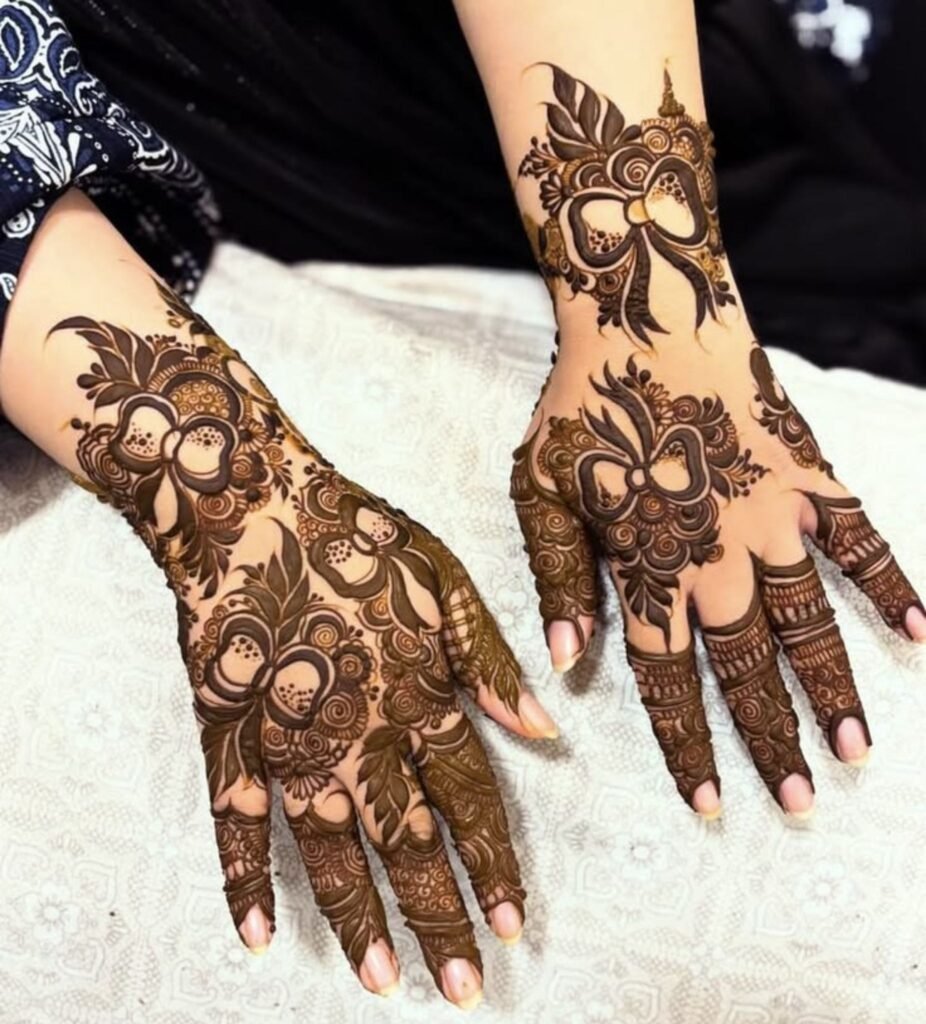
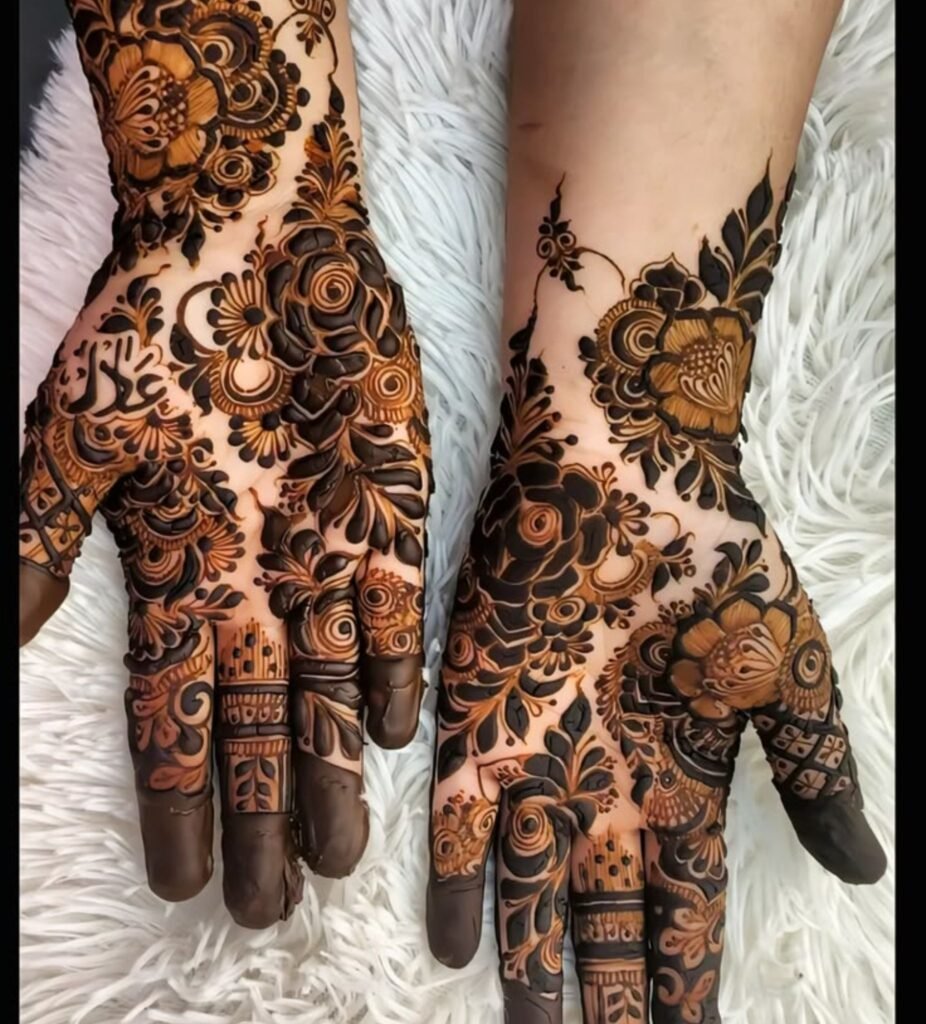
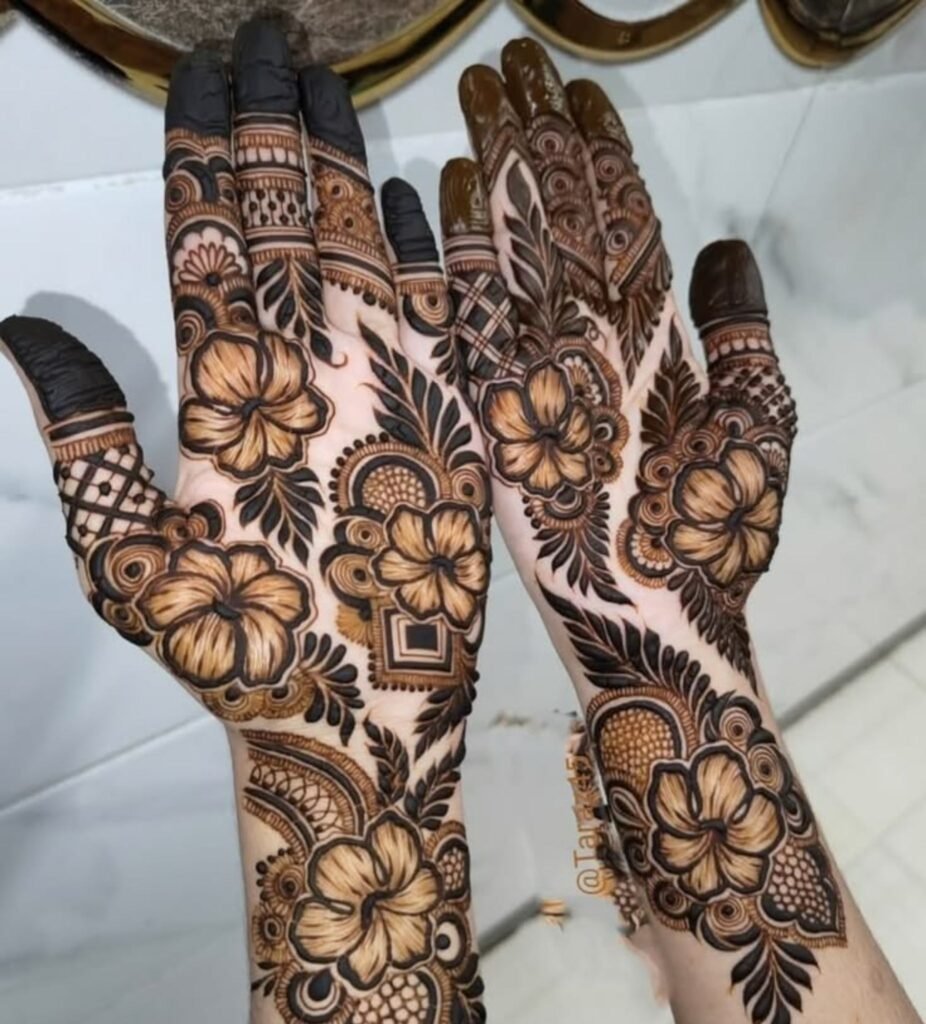
On the other end of the spectrum sits Arabic mehndi, known for its free flowing florals, bold outlines, and generous use of negative space. Unlike the dense coverage of Rajasthani designs, Arabic mehndi uses open skin as part of the design itself, creating a striking contrast between filled and empty areas.
This style typically features large flowers, leafy vines (bel), and trailing branches that move diagonally across the hand or foot, rather than covering it entirely. Shading is a signature technique where artists blend darker and lighter tones within petals and leaves to add depth and dimension.
One of the biggest draws of Arabic mehndi is speed. Because the patterns are less dense, application usually takes just 30 minutes to an hour, making it perfect for guests, parties, or last-minute events. It’s bold, contemporary, and photographs beautifully especially for those who love a chic, statement look without committing hours to sit still.
Key Differences Between Rajasthani Mehndi and Arabic Mehndi
Let’s simplify the difference between Rajasthani and Arabic mehndi with a quick comparison:
- Coverage: Rajasthani = full, dense coverage; Arabic = selective coverage with open spaces
- Motifs: Rajasthani uses royal and cultural symbols (peacocks, domes); Arabic uses floral vines and bold blossoms
- Application Time: Rajasthani takes 3-5 hours; Arabic takes 30-60 minutes
- Texture: Rajasthani is fine and net like; Arabic is bold and graphic
- Occasions: Rajasthani suits weddings and major traditional ceremonies; Arabic suits parties, casual events, or brides wanting a modern look
Essentially, Rajasthani mehndi is about intricate storytelling on skin, while Arabic mehndi is about visual impact with minimal effort and time.
Indo Arabic Fusion: Combining Rajasthani Precision with Arabic Flow
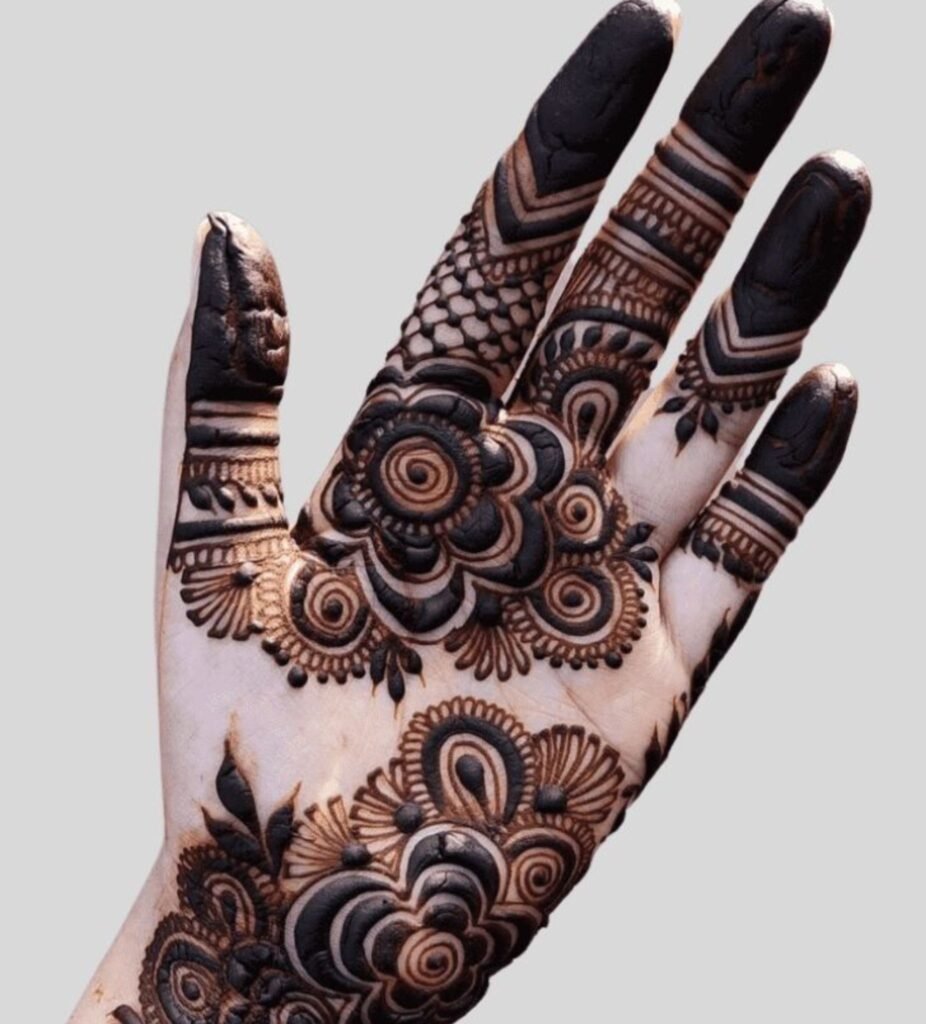
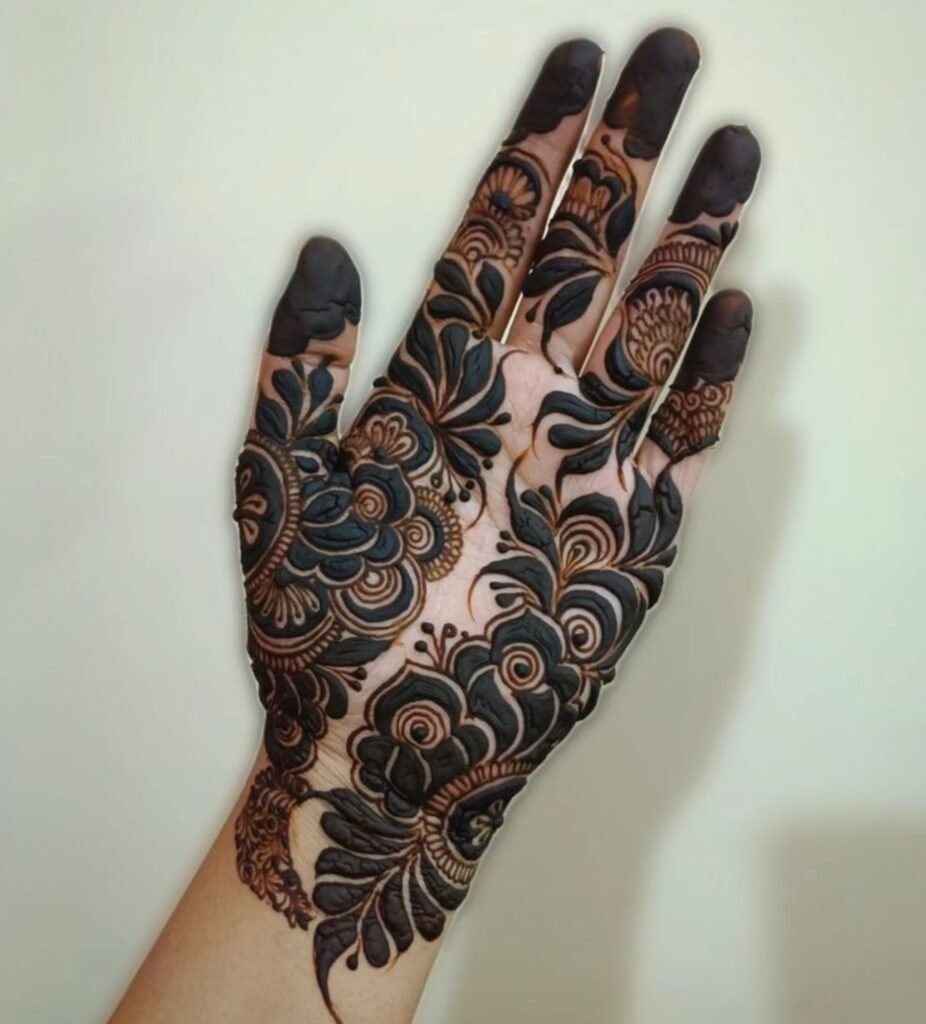
Why choose one when you can have both? Indo Arabic fusion has become a massive trend among modern brides who want the best of both worlds. This hybrid style often features a bold Arabic style vine as the base structure, filled in with fine Rajasthani detailing like dots, nets, and small motifs.
The result is a design that feels traditional yet contemporary, dense enough for that regal bridal look, but with enough negative space to feel light and modern. Many mehndi artists now specialize in this fusion, as it allows for creative freedom while still honoring cultural roots. It’s quickly becoming the go to choice for wedding season 2026.
Which Design Should You Choose? Rajasthani vs Arabic Mehndi
Still undecided? Here’s a simple guide:
- Choose Rajasthani mehndi if: You’re a bride wanting a traditional, heavily detailed bridal look, have several hours to spare, and want a design rich in cultural symbolism.
- Choose Arabic mehndi if: You’re short on time, attending a casual function, or prefer a bold, modern aesthetic that still looks elegant in photos.
- Choose Fusion if: You want a balance of traditional richness with a modern, breathable design.
Bridesmaids and guests often lean toward Arabic designs for convenience, while brides frequently opt for Rajasthani or fusion styles for their special day.
Final Thoughts
At the end of the day, both styles are beautiful in their own right; it simply comes down to your personal taste, time availability, and the occasion. Whether you love the royal richness of Rajasthani mehndi or the effortless elegance of Arabic mehndi, both tell a story of art, culture, and celebration.
So, which side are you on team Rajasthani or team Arabic? Drop your favorite in the comments and let us know which style you’re planning to flaunt at your next big event!